Cooking at home becomes easier and more enjoyable with experience. Over time, most home cooks develop small habits that make food preparation smoother, safer, and more efficient.
However, beginner recipes often omit many of the most helpful kitchen techniques. Professional kitchens often teach these small details, which can make a surprising difference in everyday cooking.
After years of cooking at home, I realized that improving in the kitchen was not about buying expensive tools or following complicated recipes. Instead, the biggest improvements came from learning simple techniques that professionals use every day.
The following tips are practical habits that can make cooking easier, reduce mistakes, and help you achieve better results in the kitchen.
Stabilize Your Cutting Board for Safer Knife Work
A cutting board that slides across the counter can be frustrating and potentially dangerous.
Many home cooks place cutting boards directly on smooth surfaces such as granite or tile, which can cause them to shift while chopping.
A Simple Solution
Before you begin cutting ingredients, place a damp paper towel or thin kitchen cloth underneath the cutting board.
This small step creates friction between the counter and the board, keeping it stable while you work.
Why This Matters
A stable cutting surface allows you to:
- Maintain better control of the knife
- Chop ingredients more efficiently
- Reduce the risk of slipping accidents
This technique is widely used in professional kitchens and is one of the easiest ways to improve kitchen safety.
Season Food Evenly by Salting from Higher Above
Proper seasoning is essential for flavorful cooking. However, many people add salt too close to the food, which can lead to uneven seasoning.
The Professional Approach
Instead of sprinkling salt from just a few inches above the pan, try holding your hand about 10–12 inches above the food.
Salt naturally spreads in a wider pattern as it falls, allowing it to distribute more evenly.
Benefits of Even Seasoning
Using this technique helps ensure:
- Consistent flavor in every bite
- Better control over salt levels
- More balanced dishes
It is a small adjustment that can noticeably improve the taste of home-cooked meals.
Allow Food to Release Naturally from the Pan
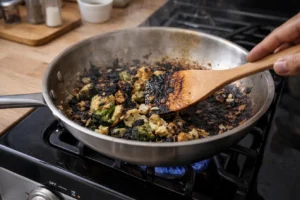
One of the most common frustrations in cooking is food sticking to the pan.
When meat or vegetables stick, the instinct is often to force them loose with a spatula. Unfortunately, this can tear the food and create a messy pan.
What Is Actually Happening
When food is placed in a hot pan, proteins and sugars begin to brown. This process forms a flavorful crust.
Once that crust is properly developed, the food will naturally release from the surface.
A Helpful Rule
If food sticks when you try to flip it:
- Wait another 30–60 seconds
- Try gently lifting it again
In many cases, patience is the key to achieving a perfect sear.
Use the “Hot Pan, Then Oil” Cooking Method
Another common mistake in home cooking is adding oil to a cold pan and heating it along with the oil.
While this method works sometimes, it can lead to uneven cooking or excessive smoke.
A Better Sequence
Try following this simple order:
- Heat the empty pan first.
- Add the cooking oil.
- Wait until the oil begins to shimmer slightly.
- Add the food immediately.
Why This Method Works
Preheating the pan helps create a better cooking surface and prevents food from absorbing too much oil.
It also improves browning and enhances flavor.
Save Pasta Water to Improve Your Sauces
When pasta cooks, the boiling water becomes cloudy. That cloudiness comes from starch released by the pasta.
Many people pour this water down the drain without realizing it can improve their sauce.
How to Use Pasta Water
Before draining the pasta:
- Scoop out about one cup of the cooking water.
When mixing pasta with sauce, add a small splash of this water.
The Result
The starch in the water helps:
- Thicken the sauce
- Help the sauce stick to the pasta
- Create a smoother texture
This technique is commonly used in restaurant kitchens.
Check Egg Freshness Using the Water Test
Egg freshness can affect both taste and food safety. Fortunately, there is a quick way to check whether an egg is still fresh.
The Simple Water Test
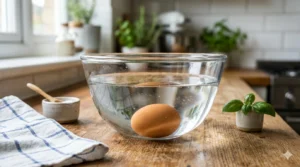
Fill a bowl with cold water and gently place the egg inside.
The results indicate freshness:
- Egg sinks and lies flat: very fresh
- Egg sinks but stands upright: still usable, but should be used soon
- Egg floats: no longer fresh
Why This Happens
Eggshells are slightly porous. Over time, air enters the egg, which causes it to float in water.
This quick test can help prevent unpleasant surprises when cooking.
Use Acidity to Balance Flavors
Sometimes a dish tastes flat or heavy even after adding salt.
In many cases, what the dish needs is acidity, not more salt.
Ingredients That Add Brightness
Small amounts of acidic ingredients can balance flavors:
- Lemon juice
- Lime juice
- Vinegar
- Tomatoes
- Yogurt
How Acidity Improves Flavor
Acid helps balance rich or fatty ingredients and enhances the dish’s overall flavor.
Even a small squeeze of lemon can make soups, sauces, and salads taste more vibrant.
Protect Digital Devices When Following Recipes
Many people now cook using recipes displayed on phones or tablets.
However, kitchen environments can expose devices to moisture, grease, or flour.
A Simple Protective Trick
Placing your device inside a clear plastic storage bag allows you to:
- View the recipe clearly
- Use the touchscreen through the plastic
- Protect the device from spills
This small precaution can help keep your device clean while cooking.
Compare Common Kitchen Mistakes with Better Solutions
Understanding common mistakes can help improve your cooking routine.
| Common Mistake | Better Approach | Benefit |
|---|---|---|
| Crowding food in the pan | Cook in smaller batches | Better browning and texture |
| Using dull knives | Keep knives sharpened regularly | Faster and safer cutting |
| Storing fresh herbs loosely | Store herbs upright in water | Herbs stay fresh longer |
| Skipping ingredient prep | Prepare ingredients first | Faster and smoother cooking |
These adjustments may seem small, but together they can greatly improve kitchen efficiency.
Why Small Techniques Make a Big Difference
Improving in the kitchen usually requires many small changes. Instead, it comes from learning practical habits that make everyday cooking easier.
When you combine several small improvements—such as stabilizing the cutting board, seasoning evenly, and preparing ingredients ahead of time—the entire cooking process becomes smoother.
These techniques help you:
- Cook with more confidence
- Reduce mistakes and frustration
- Achieve better flavor and texture
With practice, these habits become second nature.
Final Thoughts
Cooking well does not require complicated recipes or expensive equipment. Often, the most valuable lessons are the small techniques that experienced cooks use every day.
By applying simple strategies such as
- Stabilizing your cutting board
- Seasoning food evenly
- Allowing food to sear properly
- Using pasta water to enhance sauces
- Balancing flavors with acidity
You can greatly improve your results in the kitchen.
These habits make cooking more efficient, more enjoyable, and ultimately more rewarding.
Frequently Asked Questions
Why does food stick to the pan when cooking?
Food often sticks because it has not finished forming a browned crust. Waiting a little longer usually allows the food to release naturally.
What is the best way to season food evenly?
Sprinkling salt from higher above the food helps distribute it more evenly across the surface.
Why is pasta water useful in cooking?
Pasta water contains starch released from the pasta during cooking. Sauces thicken and stick to the pasta with the aid of this starch.
How can I keep my cutting board from sliding?
Placing a damp cloth or paper towel under the board creates friction and helps keep it stable during chopping.
How can I make my dishes taste more balanced?
Adding a small amount of acidic ingredients, such as lemon vinegar or vinegar, can brighten flavors and balance rich foods.