How We Actually Make Moroccan Mint Tea (The Right Way)
Moroccan Mint Tea
In Morocco, we don’t just “make” tea; we live it. It’s the first thing you offer a guest and the last thing you drink after a big meal. Most people outside of Morocco think it’s just green tea with some mint thrown in, but if you do that, it ends up tasting bitter or flat.
There is a specific ritual to it—especially the “washing” of the tea—that makes it taste smooth and sweet. If you have a
What You’ll Need
- Green Tea (Gunpowder): You need the little dried pellets.
Gunpowder green tea is traditionally used because its tightly rolled leaves preserve freshness and flavor. According to the Tea Association of the U.S.A., green tea has been enjoyed for centuries for both its taste and potential health benefits. - A Big Bunch of Fresh Mint: It has to be fresh. Dried mint won’t work here.
- Sugar: We usually use a lot. You can adjust it, but for that authentic taste, don’t be shy with it.
- Boiling Water.
The Step-by-Step
1. “Washing” the Tea This is the part most people skip. Put two tablespoons of the tea grains into your pot and add a small glass of boiling water. Let it sit for a minute, then pour that water into a glass and save it. That’s the “soul” of the tea. Now, add more hot water to the pot, swirl it around, and throw that water away. This gets rid of the bitter dust.
2. The First Boil Pour that first glass of “soul” water back into the pot and fill it up with boiling water. Put the teapot directly on the stove over low heat for a couple of minutes. You’ll see the tea color get deep and dark.
3. Adding the Mint and Sugar Take the pot off the fire. Stuff as much fresh mint as you can inside. You want to submerge the leaves so they don’t turn black and bitter. Add your sugar on top of the mint.
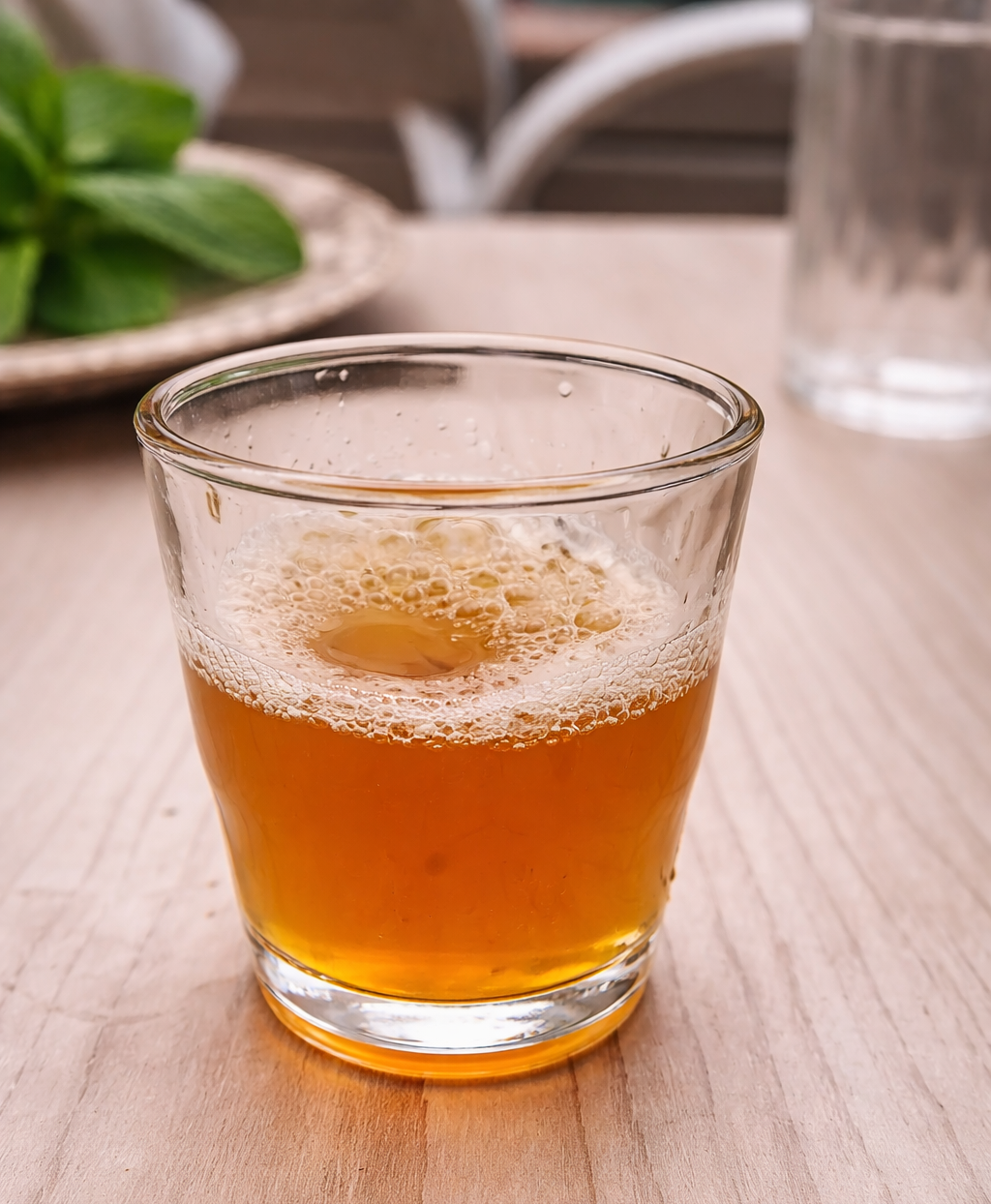
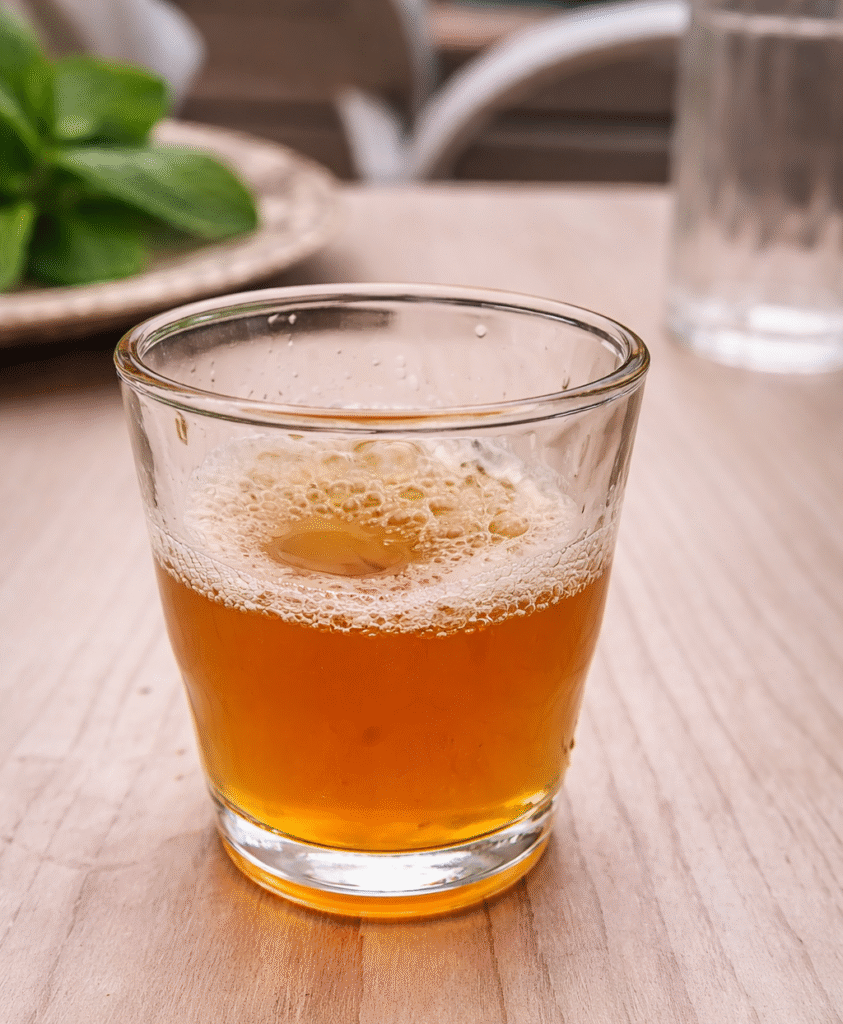
4. The Pouring (The “Re-mixing”) Don’t stir it with a spoon! Instead, pour a glass of tea and then pour it back into the pot. Do this three or four times. This mixes the sugar perfectly and creates that famous foam (we call it the “turban” or “crown”) on top of the glass.
Why the High Pour Matters
When you see us pouring the tea from high up, it’s not just for show. It puts air into the tea, which makes it feel lighter and brings out the smell of the fresh mint. Plus, if you don’t have a nice layer of foam on top, it’s a sign that the tea isn’t quite ready yet.
My Advice
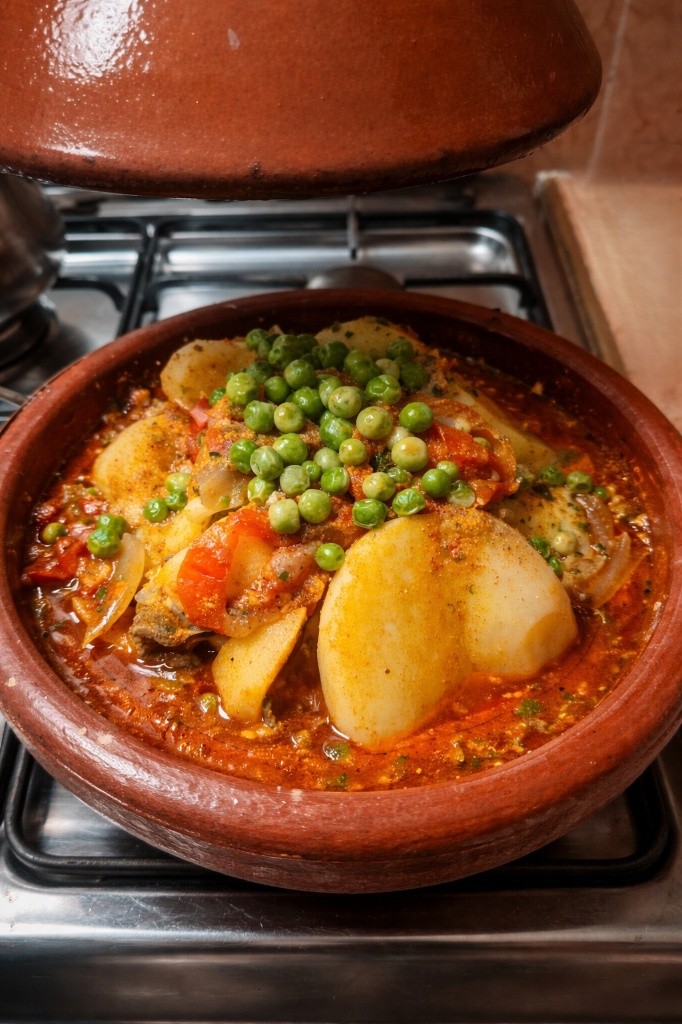
Drink it hot. It’s the best thing for digestion after a heavy Tagine, and it’s a great way to sit and talk with friends for an hour.
Questions I Get Asked All The Time (FAQ)
Can I just use mint tea bags to save time? Honestly, I wouldn’t recommend it if you want the real deal. Tea bags are usually filled with “tea dust” which doesn’t have the same depth as the gunpowder grains. Plus, you can’t really do the “wash” step with a bag, so it’s hard to get that smooth, smoky-sweet balance that makes Moroccan tea famous. If you’re in a total rush, it’ll do, but it’s just not the same.
Why does my tea always taste so bitter? This usually happens for two reasons. First, you might have skipped the “rinse” at the start—that first splash of water gets rid of the bitter dust on the tea grains. Second, you might be boiling the mint. Mint is super delicate. If it boils on the stove for too long, it turns bitter and tastes like medicine. Always push the mint in after the pot is off the heat.
Do I really have to use that much sugar? I get it, it sounds like a lot! But in Morocco, the sugar isn’t just for sweetness—it actually changes the texture of the tea, making it feel “heavy” and silky. You can definitely cut it back if you want, but I’d suggest keeping at least a little bit in there. It helps balance out the strong kick of the green tea.
Final Thoughts
At the end of the day, making tea is about slowing down. My grandmother used to spend forever making the pot, making sure the sugar was just right and the foam was perfect. It’s a moment to sit, talk, and forget about the time. Whether you’re serving it with some dates or some almond cookies, it’s the best way to end a day. Just take your time with it, and remember: the higher the pour, the better the tea.