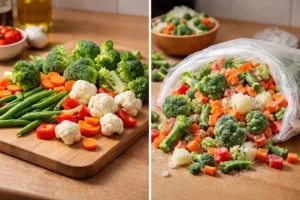
Cooking at home doesn’t begin with a recipe—it begins with the ingredients you choose. No matter how simple or advanced a dish is, the quality and suitability of your ingredients directly affect the final result.
For beginners, this is often the most overlooked step. Many people focus on cooking techniques but struggle with inconsistent results because they don’t fully understand how to select the right ingredients.
The good news is that choosing ingredients doesn’t have to be complicated. With a few practical guidelines, you can make better decisions at the grocery store, reduce waste, and cook meals that turn out more consistent and satisfying.
This guide will walk you through everything you need to know about selecting ingredients for everyday cooking, in a simple and practical way.
If you’re building your foundation, you may also find it helpful to read Complete Beginner’s Guide to Cooking at Home to understand how ingredient choices fit into the overall cooking process.
Why Ingredient Selection Matters
Many cooking problems start before you even turn on the stove.
Using the wrong ingredients can lead to:
- Poor texture
- Weak or unbalanced flavor
- Longer cooking times
- Wasted food
On the other hand, choosing the right ingredients makes cooking easier. It reduces the need for adjustments and helps you get predictable results.
When you understand what to look for, you spend less time guessing and more time cooking confidently.
Focus on Freshness First
Learn to Identify Fresh Ingredients
Freshness plays a major role in how your food turns out. Ingredients that are fresh are easier to cook and generally provide better texture and taste.
For example:
- Vegetables should feel firm and look vibrant
- Herbs should not be wilted or dry
- Packaged items should be within their usable date
If you want a deeper understanding, follow How to Tell If Ingredients Are Fresh Before Cooking.
Choose Based on Use, Not Just Appearance
Sometimes ingredients look fine but are not suitable for your specific recipe.
For example:
- Overripe vegetables may not hold shape during cooking
- Very soft fruits may not work well in certain dishes
- Old spices may lose their strength
Always think about how you plan to cook the ingredient, not just how it looks.
Understand Fresh vs Frozen Ingredients
Both Options Can Work
Beginners often assume fresh ingredients are always better, but that’s not always true.
Frozen ingredients can be:
- Convenient
- Consistent in quality
- Available year-round
The key is knowing when to use each type.
Make Practical Choices
Use fresh ingredients when:
- Texture is important
- You need crispness or firmness
Use frozen ingredients when:
- You need convenience
- The ingredient will be cooked thoroughly
For a detailed comparison, read Fresh vs Frozen Vegetables: Which Is Better for Cooking at Home?.
Choose Ingredients That Match Your Cooking Method
Not all ingredients behave the same way during cooking.
Consider Cooking Techniques
Different methods require different ingredient qualities:
- Boiling: Ingredients should hold structure without breaking
- Frying: Ingredients should not contain excess moisture
- Baking: Ingredients should be measured accurately
- Steaming: Ingredients should cook evenly without becoming too soft
Choosing ingredients based on how you will cook them helps avoid common mistakes.
Keep Your Ingredient List Simple
Avoid Overcomplicating Meals
One common beginner mistake is using too many ingredients at once. This makes cooking harder and increases the chance of errors.
Instead:
- Focus on a few key ingredients
- Build simple combinations
- Learn how each ingredient behaves
This approach makes it easier to understand cooking fundamentals.
Build a Basic Ingredient System
A simple structure for everyday cooking includes:
- A main ingredient (such as vegetables, grains, or protein)
- Supporting ingredients (spices, oils, or sauces)
- Optional additions for variety
Keeping your ingredient list simple improves both speed and consistency.
Pay Attention to Storage and Shelf Life
Buy What You Can Use
Buying too many ingredients at once often leads to waste.
Instead:
- Plan meals in advance
- Buy smaller quantities
- Use ingredients within a reasonable time
Store Ingredients Properly
Even good ingredients can lose quality if stored incorrectly.
Proper storage helps:
- Maintain freshness
- Reduce spoilage
- Keep your kitchen organized
Small habits like sealing containers and storing items in the right place make a noticeable difference.
Understand Basic Ingredient Categories
1. Fresh Produce
Includes vegetables, fruits, and herbs. These require careful selection and timely use.
2. Pantry Staples
Includes items like rice, flour, spices, and oils. These form the base of many meals and last longer.
If you’re unsure where to start, learning about essential spices and basic pantry items can help simplify your cooking routine.
3. Protein Sources
Includes ingredients like beans, eggs, or other commonly used cooking components. These should be handled and stored carefully.
4. Supporting Ingredients
These include sauces, seasonings, and small additions that enhance flavor. While they may seem minor, they can significantly affect the final result.
Plan Ingredients Around Your Routine
Think About Time and Convenience
Your ingredient choices should match your daily schedule.
If you’re busy:
- Choose ingredients that cook quickly
- Use pre-prepared or frozen items when needed
If you have more time:
- Use fresh ingredients that require preparation
- Experiment with simple combinations
Build Consistent Habits
Instead of making random purchases, develop a routine:
- Buy similar core ingredients each week
- Rotate a few new items occasionally
- Learn how to use what you already have
This approach reduces decision fatigue and improves efficiency.
Avoid Common Ingredient Mistakes
Many beginners struggle not because of cooking skills, but because of poor ingredient choices.
Watch out for:
- Buying ingredients without a plan
- Ignoring freshness
- Using too many ingredients at once
- Not considering cooking method
- Storing ingredients incorrectly
Avoiding these mistakes will immediately improve your cooking results.
Develop Confidence Over Time
Choosing ingredients is a skill that improves with experience.
Start by:
- Observing how ingredients behave when cooked
- Noticing differences in quality
- Adjusting your choices based on results
If you’re still building your basics, How I Learned the Most Important Cooking Basics as a Beginner can help reinforce practical habits.
FAQs
1. How do I know if an ingredient is good quality?
Look for freshness, proper texture, and no signs of damage or spoilage. Over time, experience will make this easier.
2. Should beginners always use fresh ingredients?
Not always. Fresh and frozen ingredients both have their uses depending on the recipe and convenience.
3. How many ingredients should a beginner use in one meal?
Start with a small number—3 to 6 ingredients is usually enough for simple meals.
4. Can I substitute ingredients easily?
Yes, but beginners should start with simple substitutions to understand how changes affect the result.
5. How can I reduce food waste while cooking?
Plan meals, buy only what you need, and store ingredients properly.
Conclusion
Choosing the right ingredients is one of the most important skills in everyday cooking. It simplifies the entire process, improves consistency, and helps you avoid common mistakes before they happen.
For beginners, the goal is not to choose perfectly every time, but to build awareness. Pay attention to freshness, keep your ingredient list simple, and match your choices to your cooking method and routine.
Over time, these small decisions will become natural. You’ll shop more efficiently, waste less, and cook with greater confidence—turning everyday meals into a smooth and reliable process.