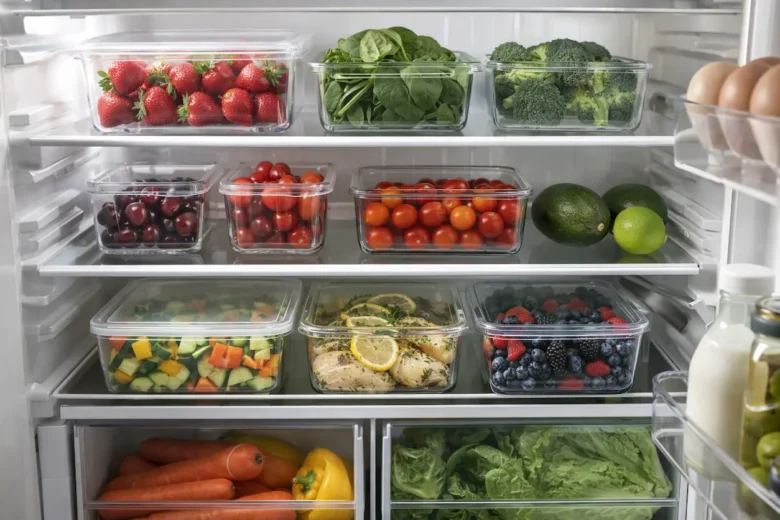
If you’ve ever opened your fridge expecting fresh vegetables or leftovers, only to find wilted greens or spoiled food, you’re not alone. Food storage is one of those everyday habits we don’t think much about—until it starts costing us money, time, and frustration. I used to throw away food more often than I’d like to admit, simply because I didn’t store it properly.
The truth is, keeping food fresh longer isn’t just about putting everything in the fridge and hoping for the best. Different foods have different needs, and understanding those small differences can make a giant impact. Proper food storage not only helps reduce waste but also keeps your meals safer and more enjoyable.
In this guide, I’ll walk you through how to store food properly using simple, practical methods. Whether you’re a beginner or someone who cooks regularly, these tips can help you extend freshness and save money without overcomplicating your routine.
Why Food Spoils Faster Than Expected
Temperature Fluctuations
One of the biggest reasons food spoils quickly is inconsistent temperature. Your fridge might feel cold overall, but certain areas are warmer than others. When food is stored in these warmer zones, bacteria grow faster.
For example, placing milk in the fridge door exposes it to frequent temperature changes every time the door opens. Over time, this shortens its shelf life significantly.
Moisture Imbalance
Too much or too little moisture can ruin food. Leafy greens wilt when they lose moisture, while excess moisture can cause fruits and vegetables to rot faster.
Humidity plays a big role here. Some foods thrive in high humidity (like lettuce), while others last longer in dry conditions (like onions and garlic).
Air Exposure
Air is another hidden factor. When food is exposed to air, oxidation occurs. This is why apples turn brown and leftovers lose their freshness.
Improper sealing allows oxygen to break down food faster and can also lead to the growth of bacteria and mold.
Improper Food Pairing
Not all foods should be stored together. Some fruits release ethylene gas, which speeds up ripening. If stored near sensitive vegetables, it can cause them to spoil prematurely.
Bananas, apples, and tomatoes are common culprits. When placed next to leafy greens or cucumbers, they can reduce their freshness dramatically.
Understanding Different Storage Zones
Refrigerator Zones
Your fridge isn’t uniform—it has different temperature zones.
- Top shelves are slightly warmer and ideal for leftovers and ready-to-eat foods
- Middle shelves are best for dairy products
- Bottom shelves are the coldest and safest for raw meat and fish
Understanding this layout helps you store food more strategically rather than randomly placing items.
Freezer Storage
Freezing is one of the best ways to extend food life, but it only works well if done correctly. Improper freezing can lead to freezer burn, which affects texture and taste.
Pantry Storage
Dry foods like grains, spices, and canned goods need cool, dark, and dry conditions. Heat and light can degrade quality over time, even if the food doesn’t spoil immediately.
Step-by-Step Solutions to Store Food Properly
1. Organize Your Fridge the Right Way
Start by assigning specific areas for different food types.
- Keep raw meat on the bottom shelf in sealed containers
- Store dairy in the middle section
- Place leftovers in airtight containers on upper shelves
This prevents cross-contamination and keeps everything fresher longer.
2. Use Airtight Containers
Investing in high-quality airtight containers can make a noticeable difference.
- They reduce air exposure
- Prevent odors from mixing
- Keep moisture levels stable
Glass containers are especially useful because they don’t absorb smells and are simple to clean.
3. Control Moisture Levels
Use paper towels or breathable bags for items like leafy greens.
- Wrap greens in a slightly damp paper towel
- Store them in a container or bag
This keeps them crisp without causing excess moisture buildup.
4. Separate Ethylene-Producing Foods
Keep fruits like apples and bananas away from vegetables.
- Store them in separate drawers or compartments
- Use fruit bowls for items that ripen at room temperature
This simple step can extend the life of your vegetables significantly.
5. Label and Date Your Food
It’s easy to forget where you stored something.
- Label leftovers with dates
- Rotate older items to the front
This helps you use food before it goes rancid and reduces waste.
6. Store Dry Goods Properly
Transfer pantry items into sealed containers.
- Keeps pests away
- Maintains freshness
- Prevents humidity damage
Store them in a cool, dark place away from direct sunlight.
7. Freeze Smartly
When freezing food:
- Remove as much air as possible from the packaging.
- Use freezer-safe bags or containers
- Divide food into smaller portions
This makes defrosting easier and preserves quality.
Real Experience Section
In my experience, the most significant change came from simply organizing my fridge properly. Before that, I used to just place things wherever there was space. Vegetables would go rotten quickly, and leftovers often got forgotten in the back.
What worked for me was creating a routine. I started checking my fridge once every two days, rearranging items so older food stayed visible. It sounds simple, but it made a significant difference.
One mistake I made was storing everything in plastic bags from the grocery store. I thought it was convenient, but it actually trapped moisture and caused vegetables to rot faster. Switching to breathable storage and containers solved that problem almost immediately.
Another thing I learned the difficult way was about freezing. I used to freeze large portions without considering how I’d use them later. Defrosting became a hassle, and occasionally I wasted food anyway. Now, I always freeze in smaller portions, which saves both time and effort.
Common Mistakes to Avoid
- Storing all fruits and vegetables together without considering ethylene gas
- Overcrowding the fridge, which blocks air circulation
- Keeping leftovers uncovered or loosely wrapped
- Ignoring expiration dates or forgetting stored food
- Washing produce before storing (this can add excess moisture)
- Using the fridge door for highly perishable items like milk
- Freezing food without proper packaging
Pro Tips for Longer Freshness
One thing that really helped me was learning how to “prep for storage” instead of “prep for cooking.” For example, trimming and drying herbs before storing them in a container with a paper towel keeps them fresh much longer.
Another useful trick is using clear containers. When you can see what’s inside, you’re more likely to use it before it spoils. It also makes your fridge look more organized, which encourages better habits.
Try keeping a small “eat first” section in your fridge. This is where you place items that need to be used soon. It’s a simple system but surprisingly effective.
If you’re into meal prep, consider combining proper storage with planning. For example, after cooking, store meals in portion-sized containers. This not only keeps food fresh but also saves time during busy days.
Furthermore, avoid putting hot food directly into the fridge. Let it cool slightly first. This prevents raising the internal temperature of the fridge, which can affect other stored items.
FAQs
1. How long can cooked food stay in the fridge?
Most cooked food stays fresh for 3–4 days when stored in airtight containers. Thereafter, it’s safer to discard it.
2. Should I wash fruits and vegetables before storing them?
It’s better to wash them right before use. Washing before storage can add moisture and lead to faster spoilage.
3. What foods should not be refrigerated?
Items like potatoes, onions, garlic, and bananas are better stored at room temperature in a cool, dry place.
4. How can I prevent freezer burn?
Use airtight, freezer-safe packaging and remove as much air as possible before freezing.
5. Why do my vegetables spoil so quickly?
This usually happens with excess moisture, poor airflow, or storing them near ethylene-producing fruits. Adjusting these factors can significantly improve freshness.
Conclusion
Storing food properly isn’t complicated—it just requires a bit of awareness and consistency. Once you understand how temperature, moisture, air, and food types interact, everything becomes easier to manage. Small changes, like using airtight containers, organizing your fridge, and separating certain foods, can make a big difference in how long your food stays fresh. Over time, these habits not only reduce waste but also save money and make your kitchen routine smoother.
If you’re already considering ways to enhance your kitchen habits, you may also find it beneficial to explore meal planning or reducing food waste, as these practices complement proper storage. Start with a few simple steps today, and you’ll quickly notice the difference.