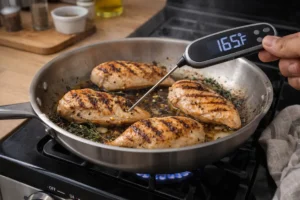
Cooking at home doesn’t require complicated recipes or a long list of ingredients. In fact, some of the most reliable and satisfying meals come from a handful of basic items that you already have in your kitchen.
For beginners, the greatest challenge is often not cooking itself—it’s deciding what to cook with what’s available. When you learn how to combine simple ingredients into practical meals, cooking becomes easier, faster, and far less stressful.
This guide focuses on exactly that: simple meals you can prepare using basic ingredients. These ideas aim to boost your confidence, minimize food waste, and ensure consistent meal preparation without overthinking the process.
If you’re still building your foundation, you can also explore Complete Beginner’s Guide to Cooking at Home to understand how these simple meals fit into a larger cooking routine.
Why Simple Meals Work Best for Beginners
Many beginners assume that better cooking requires more ingredients or complex recipes. In reality, simplicity leads to better results—especially in the early stages.
Simple meals help you:
- Focus on basic cooking techniques
- Understand how ingredients behave
- Reduce mistakes and confusion
- Build confidence through repetition
Instead of trying to do everything at once, working with a few ingredients allows you to learn faster and cook more consistently.
What Counts as Basic Ingredients?
Basic ingredients are items that are:
- Easy to find
- Affordable
- Versatile
- Long-lasting or commonly used
Examples include:
- Rice, flour, or bread
- Eggs
- Basic vegetables (onions, potatoes, tomatoes)
- Cooking oil
- Salt and simple spices
If you’re unsure how to manage these items efficiently, How I Create a Basic Meal Plan Using Pantry Ingredients can help you build a practical system.
Simple Meal Ideas You Can Start Today
Below are practical meal ideas that use basic ingredients and simple techniques. These are not complicated recipes—they are flexible methods you can adapt based on what you have.
1. Rice with Stir-Fried Vegetables
Why It Works
This is one of the easiest and most adaptable meals. It uses minimal ingredients and simple cooking steps.
Basic Ingredients
- Rice
- Mixed vegetables
- Oil
- Salt and spices
How to Prepare
- Cook rice separately
- Heat oil in a pan
- Add chopped vegetables and cook until soft
- Mix with rice and season
This meal is ideal for practicing heat control and timing.
2. Simple Egg-Based Meals
Why It Works
Eggs cook quickly and pair well with many basic ingredients.
Basic Ingredients
- Eggs
- Oil or butter
- Salt
- Optional vegetables or bread
Meal Options
- Scrambled eggs
- Omelet with vegetables
- Fried eggs with bread
How to Prepare
Cook eggs on medium heat, avoid overcooking, and keep seasoning simple.
3. Basic Vegetable Stir-Fry
Why It Works
This is a fast and flexible meal that works with almost any vegetable combination.
Basic Ingredients
- Any vegetables available
- Oil
- Salt and spices
How to Prepare
- Heat oil in a pan
- Add vegetables
- Cook on medium heat while stirring
- Adjust seasoning
This meal helps you understand how different vegetables cook at different speeds.
4. Simple Flatbread or Toast-Based Meals
Why It Works
Using bread or flatbread simplifies meal preparation and reduces cooking time.
Basic Ingredients
- Bread or flatbread
- Eggs or vegetables
- Basic spreads or seasoning
Meal Ideas
- Vegetable sandwich
- Egg sandwich
- Toast with sautéed vegetables
These meals are practical for quick breakfasts or light dinners.
5. One-Pot Simple Meals
Why It Works
One-pot meals reduce cleanup and simplify the cooking process.
Basic Ingredients
- Rice or grains
- Vegetables
- Water or stock
- Basic seasoning
How to Prepare
- Add all ingredients to one pot
- Cook on controlled heat
- Allow everything to cook together evenly
This method is efficient and beginner-friendly.
How to Make These Meals Taste Better
Even simple meals can be satisfying when prepared correctly.
Use Proper Heat
Cooking on the right heat level prevents burning or undercooking. If you struggle with this, refer to Heat Control in Cooking: How to Avoid Burning or Undercooking Food.
Don’t Skip Basic Seasoning
Salt and simple spices make a noticeable difference. Start small and adjust gradually.
Prepare Ingredients Before Cooking
Chopping and organizing ingredients beforehand makes cooking smoother and faster.
Avoid Overcrowding the Pan
Cooking too many ingredients at once can lead to uneven results. Work in small batches if needed.
Building a Routine Around Simple Meals
Plan Ahead
Knowing what you will cook saves time and reduces stress.
Repeat Meals to Improve
Cooking the same meals multiple times helps you:
- Improve speed
- Understand ingredient behavior
- Reduce mistakes
Keep Ingredients Ready
Stock your kitchen with a few reliable ingredients so you can cook without planning every detail.
Common Mistakes to Avoid
Beginners often struggle not because meals are difficult, but because of avoidable mistakes.
Watch out for:
- Using too many ingredients at once
- Cooking on high heat without control
- Skipping preparation
- Not tasting food while cooking
Simple meals are effective only when you keep the process simple.
Develop Confidence with Practice
Cooking simple meals regularly builds confidence faster than trying complicated recipes occasionally.
Start small:
- Cook a few times per week
- Focus on one meal at a time
- Improve gradually
If you want to strengthen your basics further, How I Learned the Most Important Cooking Basics as a Beginner provides a practical approach to building consistent habits.
FAQs
1. What is the easiest meal to cook at home for beginners?
Rice with vegetables or simple egg dishes are among the easiest and most reliable options.
2. How many ingredients do I need for a simple meal?
Most simple meals can be prepared with 3 to 6 ingredients.
3. Can I cook without following recipes?
Yes. Once you understand basic combinations, you can create meals using available ingredients.
4. How do I make simple meals less boring?
Change ingredients slightly, adjust seasoning, or try different cooking methods.
5. How often should I cook to improve?
Cooking a few times per week is enough to build confidence and consistency.
Conclusion
Cooking simple meals at home is one of the most effective ways to build confidence in the kitchen. You don’t need advanced skills or complex recipes to create satisfying food—you just need a clear approach and consistent practice.
By focusing on basic ingredients and simple methods, you reduce stress, avoid common mistakes, and make cooking part of your daily routine.
Over time, these simple meals become the foundation for everything else. As your confidence grows, you can expand your skills—but the ability to cook simple, reliable meals will always remain one of your most valuable strengths.