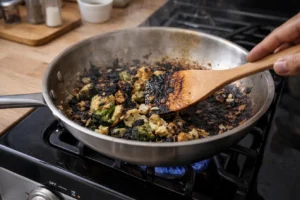
Cooking at home is enjoyable, but the mess that builds up during the process can quickly make it stressful. You may begin with a clean counter and organized ingredients, yet by the time the meal is ready, the kitchen can look completely chaotic.
Vegetable peels pile up near the cutting board, sauce splatters appear around the stove, and utensils seem to multiply on the counter. After finishing the meal, the thought of cleaning everything can detract from the joy of cooking.
Many home cooks experience this cycle repeatedly. However, maintaining a clean kitchen during cooking does not require complicated routines or expensive tools.
One simple habit can dramatically improve your workflow: the Scrap Bowl Method.
This method, along with a few supporting techniques, helps keep your kitchen organized while you cook. Instead of leaving cleanup for the end, the mess is controlled throughout the entire cooking process.
In this guide, you will learn how the Scrap Bowl Method works and how to combine it with other smart habits to keep your kitchen clean and efficient.
Why Cooking Mess Builds Up So Quickly
Before exploring solutions, it helps to understand why kitchen mess happens in the first place.
Cooking naturally involves many small actions, such as chopping vegetables, opening jars, measuring ingredients, and stirring sauces. Each of these actions creates small bits of waste or dirty tools.
Common sources of kitchen mess include:
- Vegetable peels and scraps
- Empty ingredient containers
- Used spoons and spatulas
- Spilled liquids or crumbs
- Packaging from ingredients
Leaving these items on the counter during cooking leads to their rapid accumulation and subsequent clutter.
A simple system that captures waste immediately can prevent this buildup.
The Core Habit: The Scrap Bowl Method
The Scrap Bowl Method is a simple but powerful technique used by many professional cooks.
The idea is straightforward: keep a bowl next to your cutting board where all food scraps and small waste items are placed immediately.
Instead of walking to the trash can repeatedly, everything goes into this bowl during preparation.
How to Set Up a Scrap Bowl
To use this method effectively:
-
Place a medium or large bowl next to your cutting board before you begin cooking.
-
Use the bowl for items such as
-
Onion skins
-
Vegetable stems
-
Herb stalks
-
Seeds and peels
-
-
Continue adding scraps to the bowl throughout the cooking process.
-
When preparation is finished, simply empty the bowl into the trash or compost.
Benefits of the Scrap Bowl Method
This simple habit offers several advantages:
- Reduces repeated trips to the trash can
- Keeps the countertop clean
- Speeds up food preparation
- Helps maintain focus while cooking
Because waste stays contained in one place, the kitchen feels more organized throughout the cooking process.
Use “Clean-As-You-Go” Moments
Another effective strategy is taking advantage of small waiting periods during cooking.
Many recipes include short gaps while food cooks, simmers, or bakes. These moments provide the perfect opportunity to clean a few items.
Examples of Useful Cleaning Moments
Consider these common cooking situations:
While onions sauté:
Wash the knife and cutting board used during preparation.
While pasta boils:
Load measuring cups or mixing bowls into the dishwasher.
While a sauce simmers:
Wipe the countertop and organize utensils.
These small actions require only a minute or two, yet they prevent dishes from piling up.
Most of the cleanup work is already complete by the time the meal is ready.
The One-Touch Rule for Ingredients
Another helpful habit is the One-Touch Rule.
This rule means that once you use an ingredient, you immediately return it to its proper place instead of leaving it on the counter.
How the One-Touch Rule Works
For example:
- After measuring a spice, return the jar to the spice rack.
- After pouring milk or cream, place the container back in the refrigerator.
- After using oil or vinegar, put the bottle back in the cabinet.
Why This Habit Helps
Leaving ingredients on the counter often creates clutter and reduces available workspace.
By putting items away immediately, you keep your cooking area open and organized.
Manage Utensils with a Dedicated Resting Area
Cooking often requires several utensils such as spoons, spatulas, and ladles. Without a designated place to set them down, they may leave stains or spills on the counter.
Creating a dedicated resting area for utensils solves this problem.
Practical Options for Spoon Rest Areas
You can use:
- A ceramic spoon rest
- A heat-resistant silicone mat
- A small plate near the stove
Place this resting spot beside the cooking area so utensils can be set down quickly while stirring or tasting food.
At the end of the meal, simply wash or place the rest in the dishwasher.
Prevent Mess on the Kitchen Floor
While most people focus on countertops, the kitchen floor often collects crumbs, drips, and food scraps.
If you don’t manage these small messes early, they can spread quickly.
Simple Ways to Keep the Floor Cleaner
A few small habits make a big difference:
- Keep a towel nearby to dry wet hands.
- Avoid carrying dripping ingredients across the kitchen.
- Brush crumbs from the counter into the scrap bowl before wiping surfaces.
Using these techniques keeps food particles from falling onto the floor and reduces the need for deep cleaning later.
Use Smart Habits When Following Digital Recipes
Many cooks now follow recipes on phones, tablets, or computers. While convenient, digital devices can quickly become messy if used with wet or sticky hands.
Tips for Using Digital Recipes in the Kitchen
To keep devices clean:
- Open the recipe before beginning preparation.
- Adjust the screen brightness and sleep settings so the display stays visible.
- Use voice timers or kitchen timers instead of touching the screen frequently.
Preparing the device ahead of time prevents interruptions while cooking.
Additional Tips for Keeping the Kitchen Organized
Beyond the Scrap Bowl Method, several other small habits can help maintain a tidy workspace.
Helpful Organization Practices
- Wash tools immediately after use whenever possible.
- Keep only essential utensils near the cooking area.
- Store rarely used gadgets in separate cabinets.
- Wipe small spills quickly before they spread.
These simple practices help maintain order throughout the cooking process.
Why Small Habits Make a Big Difference
Many people believe that keeping the kitchen clean while cooking requires constant effort.
In reality, the key is not working harder but working more efficiently.
When habits like the Scrap Bowl Method and clean-as-you-go routines become part of your cooking style, the kitchen naturally stays organized.
Instead of facing a large pile of dishes and clutter after dinner, you finish cooking with only a few items left to clean.
Final Thoughts
Cooking should be an enjoyable and creative activity, not a stressful experience caused by clutter and mess.
By introducing a few simple habits—especially the Scrap Bowl Method—you can keep your kitchen clean and organized while preparing meals.
Combining this technique with strategies such as
- Cleaning during waiting moments
- Returning ingredients immediately
- Creating a designated utensil rest
- Preventing crumbs and spills
can significantly reduce kitchen cleanup time.
With a little preparation and consistent habits, cooking becomes more efficient and far more enjoyable, as it allows for better organization and minimizes mess, leading to a more pleasant cooking experience.
Frequently Asked Questions
What is the Scrap Bowl Method in cooking?
The Scrap Bowl Method is a simple technique where a bowl is placed next to the cutting board to collect vegetable peels, seeds, and other food scraps during preparation.
Why do professional cooks use scrap bowls?
Scrap bowls help keep workspaces clean and reduce the need to walk to the trash can repeatedly during food preparation.
Does cleaning while cooking really save time?
Yes. Cleaning small items during short cooking pauses prevents dishes from piling up, which significantly reduces overall cleanup time.
What is the best type of bowl for kitchen scraps?
Any medium or large bowl works well, though stainless steel bowls are durable and simple to clean.
How can I keep my kitchen counters clean while cooking?
Using a scrap bowl, returning ingredients immediately, and wiping small spills quickly can help maintain a clean countertop throughout the cooking process.