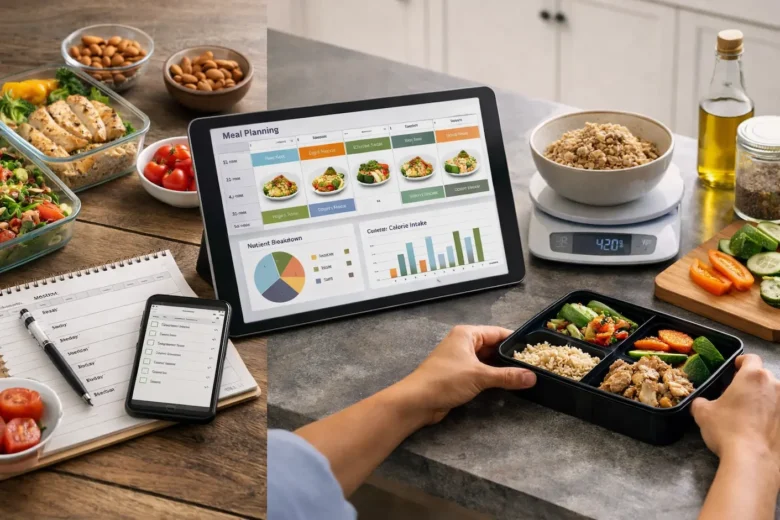
A few years ago, I found myself constantly asking the same frustrating question: “What should I eat today?” It didn’t matter if it was breakfast, lunch, or dinner—the lack of planning always led me to quick, unhealthy choices. Occasionally it was skipping meals entirely, and other times it was ordering fast food because it felt easier. That cycle not only affected my energy levels but also my overall health. Everything changed when I started planning my meals ahead. What began as a small habit slowly became a powerful routine that transformed the way I eat every day. In this guide, I’ll share practical, real-life strategies that helped me—and can assist you—plan meals ahead for healthier daily eating.
Why Meal Planning Is the Foundation of Healthy Eating
Meal planning isn’t just about saving time—it’s about taking control of your nutrition. When you decide in advance what you’re going to eat, you eliminate last-minute decisions that often lead to unhealthy options. Planning meals allows you to:
- Maintain a balanced diet
- Reduce food waste
- Save money on groceries
- Avoid unnecessary snacking
From my experience, the biggest benefit is consistency. Instead of relying on motivation, meal planning builds discipline. Deciding on your meals in advance simplifies the process of adhering to healthier choices.
Understanding Your Eating Habits Before Planning
Before you jump into meal planning, it’s important to understand your current habits. I made the mistake of creating a “perfect” meal plan that didn’t match my lifestyle. It failed within days.
Take a moment to observe:
- When do you feel most hungry?
- Do you skip meals often?
- What unhealthy foods do you frequently crave?
For example, I realized I always felt worn out in the afternoon and reached for sugary snacks. That insight helped me include better lunch options and healthy snacks in my plan.
Setting Realistic Goals for Your Meal Plan
One of the most common mistakes is trying to change your diet completely overnight. Instead, start small and build gradually.
Here’s how to set realistic goals:
- Replace one unhealthy meal per day with a balanced one
- Add more vegetables to your existing meals
- Reduce takeout meals instead of eliminating them immediately
When I started, I only planned dinners for the week. Once that became a habit, I expanded to breakfast and lunch.
Choosing the Right Foods for Balanced Nutrition
A healthy meal plan should include a mix of nutrients. You don’t need to follow a strict diet, but aiming for balance makes a big difference.
A simple formula I use:
- Protein: Chicken, eggs, beans, lentils
- Carbohydrates: Rice, whole grains, potatoes
- Healthy fats: Nuts, olive oil, seeds
- Vegetables: Leafy greens, carrots, broccoli
This approach keeps meals satisfying and prevents overeating later.
Creating a Weekly Meal Plan That Actually Works
When I first started meal planning, I kept things basic. Complicated plans are difficult to follow, especially if you’re busy.
Here’s a practical way to create your weekly plan:
Step 1: Pick 5–7 main meals
Choose meals you already enjoy and know how to cook.
Step 2: Repeat smartly
You don’t need different meals every day. Repeating meals saves time and effort.
Step 3: Plan around your schedule
If you know you’ll be busy on certain days, plan quick or pre-prepared meals.
Example Weekly Plan:
- Monday: Grilled chicken with rice and vegetables
- Tuesday: Lentil curry with roti
- Wednesday: Leftovers
- Thursday: Stir-fried vegetables with noodles
- Friday: Baked fish with salad
This kind of structure removes daily decision-making stress.
Making a Smart Grocery List to Save Time and Money
A meal plan is incomplete without a proper grocery list. This step is where most people slip up.
I always organize my list into categories:
- Vegetables and fruits
- Proteins
- Grains and staples
- Snacks
This technique speeds up shopping and reduces impulse buying. Another helpful tip is to check what you already have at home before going to the store.
Preparing Ingredients in Advance for Busy Days
Meal prep doesn’t always mean cooking everything in advance. Sometimes, just preparing ingredients can save a lot of time.
Here’s what I usually do:
- Wash and chop vegetables
- Marinate proteins
- Cook grains like rice or quinoa in bulk
These small steps reduce cooking time during busy days and make it easier to stick to your plan.
Using Simple Cooking Methods to Stay Consistent
Healthy eating doesn’t require complicated recipes. In fact, the simpler your cooking methods, the more likely you are to stay consistent.
Some easy methods include:
- Grilling
- Baking
- Stir-frying
- Steaming
I noticed that when I tried elaborate recipes, I often gave up halfway. Keeping things simple made meal planning sustainable.
Planning Healthy Snacks to Avoid Junk Food
One of the greatest challenges I faced was unhealthy snacking. Even with a successful meal plan, I would still reach for chips or sweets.
The solution was to plan snacks just like meals.
Healthy snack ideas:
- Fresh fruits
- Yogurt
- Nuts and seeds
- Boiled eggs
Having these ready at home reduces the temptation to eat junk food.
Adapting Your Meal Plan to Your Lifestyle
No two people have the same routine, so your meal plan should reflect your lifestyle.
For example:
- If you work long hours, focus on quick meals
- If you stay at home, you can experiment with cooking
- If you travel often, plan portable meals
I learned that flexibility is key. A rigid plan often fails, but a flexible one adapts with you.
Avoiding Common Meal Planning Mistakes
Through trial and error, I made several mistakes that you can avoid:
- Planning meals that take too long to cook
- Buying ingredients you never use
- Not accounting for leftovers
- Ignoring your cravings
The biggest lesson? Keep your plan realistic and enjoyable.
Staying Motivated and Consistent Over Time
Meal planning is not a one-time effort—it’s a habit. There were days when I felt lazy and wanted to skip it, but I reminded myself of the benefits.
To stay motivated:
- Start small and build gradually
- Celebrate small wins
- Keep your meals interesting
Consistency matters more than perfection.
How Meal Planning Improves Overall Health
After a few months of consistent meal planning, I noticed real changes:
- Better energy levels throughout the day
- Improved digestion
- Reduced cravings for unhealthy food
- More control over portion sizes
Meal planning isn’t just about food—it’s about building a healthier lifestyle.
Practical Example of a Simple Meal Prep Routine
To make the process even more actionable, here’s what my typical meal prep routine looks like:
Sunday Routine:
- Plan meals for the week
- Create grocery list
- Shop for ingredients
Monday Preparation:
- Cook rice and store it
- Prepare vegetables
- Marinate proteins
Daily Routine:
- Cook fresh meals using prepped ingredients
This system keeps everything organized and stress-free.
Conclusion:
Meal planning may seem like a small habit, but its impact is powerful. By taking a little time to plan your meals ahead, you can avoid unhealthy choices, save money, and improve your overall well-being. The key is to start simple, stay consistent, and adapt the process to your lifestyle. You don’t need perfection—just progress. Over time, this habit will become ingrained in your routine, and you’ll question how you ever functioned without it.
FAQs
1. How far in advance should I plan my meals?
Planning meals one week in advance is ideal for most people. It provides structure without feeling overwhelming.
2. Can meal planning help with weight loss?
Yes, meal planning helps control portion sizes and reduces unhealthy eating, which can support weight loss.
3. What if I don’t have time to cook every day?
You can prepare ingredients or cook meals in bulk and store them for later use.
4. Is it okay to repeat meals during the week?
Absolutely. Repeating meals saves time and makes planning easier while still maintaining a healthy diet.
5. How do I avoid getting bored with my meal plan?
Try rotating recipes, experimenting with spices, or introducing one new dish each week.