Eating healthy is often considered expensive. Many people believe that nutritious meals require costly ingredients, special diets, or complicated recipes. Because of this, they either overspend on food or give up on healthy eating altogether.
But the truth is much simpler.
Healthy eating doesn’t depend on how much money you spend—it depends on how you plan and cook your meals.
With the right approach, you can prepare balanced, nutritious meals without increasing your grocery budget. You don’t need premium ingredients or advanced cooking skills. You only need a simple system that works consistently.
In this guide, you’ll learn exactly how to cook healthy meals on a budget using practical, beginner-friendly methods that you can apply immediately.
Why Healthy Eating Feels Expensive (But Isn’t)
Common Misconceptions About Healthy Food
One of the biggest reasons people struggle with budget cooking is misunderstanding what “healthy” actually means.
Many assume:
- Healthy food must be organic or premium
- You need expensive superfoods
- Complex recipes are required
In reality, healthy meals can be built using basic, affordable ingredients like vegetables, grains, and simple proteins.
Where People Waste Money in Cooking
Most food-related expenses come from poor habits rather than actual necessity.
Common issues include:
- Buying ingredients without a plan
- Wasting unused food
- Choosing convenience foods too often
Fixing these habits can significantly reduce your overall food costs without sacrificing quality.
Step-by-Step System to Cook Healthy Meals on a Budget
Step 1: Plan Your Meals Before Buying Anything
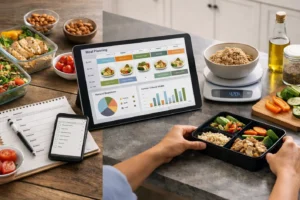
Meal planning is the foundation of budget cooking.
Instead of deciding what to cook at the last minute, plan your meals for the week in advance. This helps you:
- Avoid unnecessary purchases
- Reduce food waste
- Stay consistent with healthy choices
You can follow this simple weekly meal planning method to make the process easier and more structured.
Step 2: Choose Budget-Friendly Ingredients
Focus on ingredients that are both nutritious and affordable.
Good options include:
- Seasonal vegetables
- Rice, lentils, and grains
- Eggs and simple protein sources
Avoid relying too much on packaged or processed foods, as they are often pricier and less healthy.
Step 3: Buy Only What You Need
A clear grocery list helps you stay within your budget.
Before going shopping:
- Check what you already have
- List only essential items
- Stick to your plan
This prevents overspending and ensures that everything you buy gets used.
Step 4: Cook Simple Meals Instead of Complex Recipes
You don’t need complicated recipes to eat well.
In fact, simple meals are:
- Faster to prepare
- Easier to manage
- More budget-friendly
If you’re unsure how to cook without strict recipes, follow this simple cooking without recipes approach to build confidence in the kitchen.
Step 5: Cook in Batches to Save Time and Money
Batch cooking allows you to prepare multiple meals at once.
Benefits include:
- Reduced cooking time
- Lower energy usage
- Less temptation to order food
For example, cooking a large portion of rice or vegetables can be used across several meals.
Step 6: Store Food Properly to Avoid Waste
Proper storage is essential for saving money.
When food spoils, your budget suffers.
To avoid these issues:
- Store ingredients correctly
- Keep leftovers organized
- Use older items first
You can improve this habit by learning how to store food properly to keep it fresh longer.
Examples of Healthy Budget Meals (Simple Ideas)
Example 1: Rice + Vegetables + Protein
A basic combination of:
- Cooked rice
- Seasonal vegetables
- Eggs or lentils
This creates a balanced and filling meal at a low cost.
Example 2: Quick Egg-Based Meal
Eggs are affordable and versatile.
You can:
- Cook them with vegetables
- Pair them with bread or rice
- Prepare them quickly for busy days
Example 3: One-Pot Meal for Busy Days
A one-pot meal combines multiple ingredients into a single dish.
Benefits include:
- Less cleanup
- Faster cooking
- Efficient use of ingredients
Real-Life Budget Cooking Routine (Practical Example)
A simple weekly routine can make a big difference.
Weekly Planning
- Decide meals for 5–7 days
- List required ingredients
Grocery Shopping
- Buy only planned items
- Focus on affordable staples
Daily Cooking
- Prepare simple meals
- Use leftovers creatively
End Result
- Lower food costs
- Less stress
- Consistent healthy eating
You can build a similar system using this weekly meal prep routine.
Common Mistakes That Increase Food Costs
Buying Too Many Ingredients
Purchasing more than needed often leads to waste.
Not Using Leftovers
Leftovers are valuable. Ignoring them increases costs.
Cooking Without a Plan
Unplanned cooking leads to unnecessary spending and poor choices.
Choosing Convenience Over Simplicity
Ready-made foods are convenient but usually pricier and less healthy.
Practical Tips to Save More While Eating Healthy
Stick to Simple Ingredients
Using fewer ingredients reduces both cost and complexity.
Avoid Food Waste
Use everything you buy and plan meals around what you already have.
Reuse Ingredients in Multiple Meals
One ingredient can be used in different ways across the week.
Keep Your Cooking Process Efficient
Organize your kitchen and prepare ingredients in advance to save time and effort.
FAQs
Is it really possible to eat healthy on a low budget?
Yes, it is possible by focusing on simple ingredients, planning meals, and avoiding waste. Healthy eating is more about smart choices than expensive products.
What are the cheapest healthy foods to buy?
Affordable options include rice, lentils, eggs, seasonal vegetables, and basic grains. These provide good nutrition without increasing your grocery bill.
How can I reduce my grocery bill?
Plan your meals, make a shopping list, avoid impulse buying, and use leftovers effectively. These habits can significantly lower your food expenses.
Should I avoid all processed foods?
Not necessarily, but it’s better to limit them. Whole and simple ingredients are usually more cost-effective and healthier.
How do I start if I’m a complete beginner?
Start with simple meals, plan a few days, and gradually build your routine. Consistency is more important than perfection.
Conclusion
Cooking healthy meals on a budget is not about cutting corners—it’s about making smarter choices.
When you combine planning, simple ingredients, and efficient cooking, healthy eating becomes both affordable and sustainable.
You don’t need expensive products or complicated recipes. By following a basic system and staying consistent, you can improve your diet while keeping your costs under control.
Start small, stay consistent, and focus on building habits that make cooking easier and more effective over time.