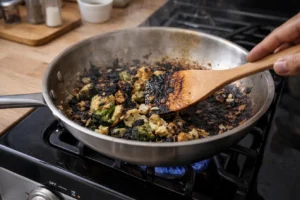
Cooking at home is a valuable skill, but it also comes with responsibility. For beginners, the kitchen can feel unfamiliar—sharp tools, hot surfaces, and fast-paced tasks can quickly lead to mistakes if you’re not careful.
The good news is that kitchen safety isn’t complicated. It’s built on simple habits that, once learned, become automatic. By following a few practical guidelines, you can cook with confidence, reduce risks, and create a more organized environment.
This guide covers essential kitchen safety tips every beginner should follow. These are not complex rules—they are practical habits that make cooking smoother, safer, and more enjoyable.
If you’re just starting out, you may also find it helpful to read Complete Beginner’s Guide to Cooking at Home for a broader understanding of building confidence in the kitchen.
Why Kitchen Safety Matters for Beginners
Many kitchen accidents happen not because cooking is difficult, but because people rush or overlook small details.
Safety in the kitchen helps you:
- Avoid cuts and burns
- Keep your cooking area organized
- Reduce food waste
- Build confidence while cooking
When you understand how to manage your space and tools properly, cooking becomes less stressful and more controlled.
Keep Your Cooking Area Clean and Organized
Clear Your Workspace Before Starting
A cluttered kitchen increases the chances of accidents. Before you begin cooking, remove unnecessary items from your counter.
Keep only what you need:
- Ingredients
- Tools you’ll use immediately
- A clean cutting area
Use the Scrap Bowl Method
One simple way to maintain cleanliness is by using a scrap bowl for peels, wrappers, and waste while cooking.
This keeps your workspace clear and reduces distractions. You can learn this technique in detail in What Is the Scrap Bowl Method?.
Handle Knives Safely
Use Proper Cutting Techniques
Knives are one of the most useful tools in the kitchen, but they require careful handling.
Basic safety habits include:
- Always cutting away from your body
- Keeping fingers tucked while chopping
- Using a stable cutting board
If you want to improve your technique, follow Beginner Knife Skills: Safe Cutting Techniques You Must Know.
Keep Knives Sharp and Stored Properly
A dull knife is more dangerous than a sharp one because it requires more force and can slip easily.
After use:
- Clean knives immediately
- Store them safely, away from clutter
- Avoid leaving them in sinks where they aren’t visible
Manage Heat and Avoid Burns
Understand Heat Before Cooking
Many kitchen accidents happen due to improper heat control. High heat can cause oil to splatter, food to burn, or pans to overheat.
To build confidence with heat, read Heat Control in Cooking: How to Avoid Burning or Undercooking Food.
Handle Hot Surfaces Carefully
Always assume that a pan or pot is hot when it’s on the stove.
Simple habits:
- Use a cloth or mitt when touching handles
- Turn pot handles inward to avoid accidental bumps
- Avoid placing hot items near the edge of counters
Be Careful With Oil
Hot oil can splash if handled incorrectly.
To stay safe:
- Never add water to hot oil
- Dry ingredients before placing them in a pan
- Add food gently instead of dropping it
Prevent Cross-Contamination
Separate Raw and Cooked Foods
Keeping raw and cooked foods separate is essential for maintaining cleanliness in your kitchen.
Simple steps:
- Use different cutting boards when possible
- Wash surfaces after handling raw ingredients
- Avoid using the same utensils without cleaning
For detailed guidance, you can refer to How to Cook Chicken Safely and Properly at Home.
Wash Hands Regularly
Hand washing is one of the easiest and most effective safety habits.
Wash your hands:
- Before cooking
- After handling raw ingredients
- After touching surfaces like trash bins
Store Food Safely
Use Proper Storage Techniques
Improper storage can lead to spoiled ingredients and unsafe cooking conditions.
To keep food fresh and organized, follow How to Store Food Properly to Keep It Fresh Longer.
Label and Organize Your Ingredients
Keeping your kitchen organized helps prevent confusion and mistakes.
Good practices:
- Store items in clearly visible containers
- Keep frequently used ingredients accessible
- Avoid overcrowding shelves
Stay Focused While Cooking
Avoid Distractions
One of the most common causes of kitchen accidents is distraction.
While cooking:
- Avoid using your phone unnecessarily
- Stay close to the stove
- Focus on one task at a time
Don’t Rush the Process
Cooking too quickly often leads to mistakes.
Instead:
- Follow a steady pace
- Prepare ingredients before cooking
- Give yourself enough time to finish tasks properly
Wear Appropriate Clothing
Dress for Safety
Loose clothing can catch fire or get in the way while cooking.
Choose:
- Fitted clothing
- Short or rolled-up sleeves
- Closed shoes if possible
Tie Back Long Hair
Hair can fall into food or come into contact with heat sources.
A simple habit like tying it back keeps both you and your food safe.
Build Safe Cooking Habits Over Time
Safety is not about memorizing rules—it’s about building habits.
Start with:
- Keeping your workspace clean
- Handling tools carefully
- Paying attention to heat
- Staying focused
Over time, these actions become automatic, allowing you to cook confidently without overthinking every step.
If you’re still building your foundation, How I Learned the Most Important Cooking Basics as a Beginner can help reinforce simple, practical habits.
FAQs
1. What is the most important kitchen safety rule for beginners?
Staying focused while cooking is one of the most important rules. Many accidents happen due to distraction.
2. How can I avoid cutting myself while cooking?
Use proper knife techniques, keep knives sharp, and always use a stable cutting surface.
3. Why is heat control important in kitchen safety?
Incorrect heat can cause burns, fires, or poorly cooked food. Managing heat properly reduces these risks.
4. How do I keep my kitchen organized while cooking?
Use simple methods like preparing ingredients in advance and keeping a scrap bowl for waste.
5. How long does it take to develop safe cooking habits?
With regular practice, most beginners develop safe habits within a few weeks.
Conclusion
Kitchen safety is not about fear—it’s about awareness.
By following simple habits like staying organized, handling tools carefully, and managing heat properly, you create a cooking environment that feels controlled and comfortable.
For beginners, the goal is not to master everything at once. Focus on small improvements, build consistent habits, and stay attentive while cooking.
Over time, these safety practices will become second nature, allowing you to cook with confidence, efficiency, and peace of mind.