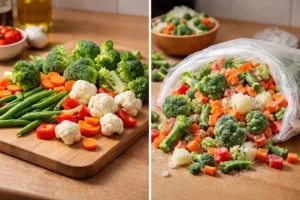
Cooking starts at the store. Even the best recipe can turn out poorly if the ingredients are low-quality. Many people discover too late that their fruits are mealy, meat smells off, or packaged items contain unnecessary additives. In many cases, you can prevent wasted food, money, and disappointment by knowing how to identify low-quality ingredients before buying. One simple thing that helps is paying attention to appearance, smell, texture, and packaging, so you bring home food that is fresh, safe, and flavourful.
Why Low-Quality Ingredients Are a Problem
Low-quality ingredients often result from poor storage, long transportation, or shortcuts in processing. For instance, fruits picked too early may never develop full flavour, while packaged items may include fillers, preservatives, or artificial additives to extend shelf life. A common mistake people make is trusting brand names or flashy packaging without checking the product itself. This leads to food that looks appealing but performs poorly in the kitchen, affecting both taste and nutrition.
Additionally, mishandling during transport or storage can reduce quality. For example, meat left out at high temperatures or exposed to moisture may develop bacteria quickly. Even fresh produce can wilt or spoil if it’s stored incorrectly in a store or on the way home. Recognising these risks is key to avoiding disappointment and ensuring every meal starts with high-quality ingredients.
Practical Solutions to Identify Low-Quality Ingredients
1. Examine Fresh Produce Carefully
Fruits and vegetables are the easiest indicators of quality. Look for vibrant, natural colour and avoid items with bruises, soft spots, or shrivelled skins. One simple thing that helps is gently squeezing produce—ripe fruits like apples, peaches, or tomatoes should feel firm but yield slightly to pressure. Leafy greens should be crisp with no yellowing or slimy spots. In many cases, visually appealing produce hides damage underneath, so flipping and inspecting items is always worth the time.
2. Smell Items When Possible
A product’s aroma is a powerful clue about its freshness. Fresh herbs, for example, should have a strong, pleasant scent, while fish or meat should smell mild, not pungent. One practical tip is to take a quick sniff before buying, especially when selecting seafood, meat, or produce. In many cases, a bad odour is a sign of spoilage or poor handling, even if the food looks fine.
3. Read Labels and Ingredients
Packaged foods can be tricky. Labels often hide low-quality ingredients behind long, technical names. Choose items with short, recognisable ingredient lists. For example, high-quality canned beans usually contain just beans, water, and salt—not preservatives, artificial flavours, or fillers. One simple thing that helps is comparing similar products: the one with fewer additives is often fresher and more natural.
4. Check Packaging and Expiration Dates
Packaging is another important clue. Damaged containers, broken seals, or leakage indicate potential contamination. Always check expiration or “best by” dates, and opt for products with longer remaining shelf life if possible. In many cases, two identical items can differ significantly in quality based on packaging integrity and age, so it’s worth inspecting carefully.
5. Observe Texture and Consistency
Texture is often overlooked but can reveal quality issues. Pasta should be smooth and dry, not cracked or uneven. Cheese should feel firm, not slimy or crumbly unless expected. Fresh meat should be moist and slightly springy, not sticky or discoloured. One practical tip is to compare items side by side; differences in feel, appearance, or weight often signal lower-quality ingredients.
6. Buy from Trusted Sources
Where you shop matters. Farmers’ markets, reputable grocery stores, and speciality shops often provide higher-quality ingredients than discount stores. Local or small-scale producers may offer fresher, less-processed foods. One simple thing that helps is asking the seller about storage and sourcing. In many cases, knowing how and when the food was harvested or processed makes a huge difference in quality.
7. Avoid Bulk Purchases Without Inspection
Buying in bulk can save money, but it increases the risk of low-quality items slipping through. Inspect each unit before placing it in your cart. For example, bulk apples may include bruised or soft ones that spoil quickly, or bulk meat packages may hide discoloured portions. A practical approach is to pick items individually and avoid blindly grabbing large quantities.
Common Mistakes to Avoid
- Judging by Packaging Alone – Bright or flashy packaging doesn’t guarantee freshness. Always check the product itself.
- Ignoring Expiration Dates – Products near or past their “best by” date may have reduced flavour or quality.
- Overlooking Smell or Texture – Even if something looks good, a foul odour or unusual texture signals low quality.
- Assuming Brand Equals Quality – Well-known brands can still sell low-grade batches. Inspect each product individually.
Real-Life Scenarios
Imagine you want to bake a fresh fruit tart. You pick a carton of strawberries that look bright red but don’t check for firmness. At home, half are mushy or mouldy, and you have to discard them, wasting money and effort. If you had inspected each strawberry, checking colour, smell, and firmness, you could have picked a fresh batch and avoided disappointment.
Another example is buying packaged pasta. You grab a bag with shiny branding but don’t check for broken pieces. When cooking, the pasta crumbles, creating an uneven texture in your dish. Inspecting the texture and packaging before purchase would have prevented this.
Conclusion
Identifying low-quality ingredients before buying is essential for tasty, safe, and nutritious meals. By inspecting produce, smelling items, checking labels and expiration dates, observing texture, buying from trusted sources, and avoiding bulk mistakes, you ensure your food will perform well in the kitchen. One simple thing that helps is making quality checks a regular habit—spending a few minutes at the store can save hours and frustration later. In many cases, being mindful about ingredient selection is the first step to cooking success.
FAQs
1. How can I tell if fruits and vegetables are fresh?
Check colour, firmness, and smell. Avoid bruises, soft spots, or unusual odours, and choose items that feel firm but slightly yielding.
2. Are brand names always reliable indicators of quality?
Not always. Even well-known brands can have low-quality batches. Inspect the product itself for freshness, texture, and packaging integrity.
3. How do I identify low-quality packaged foods?
Check the ingredient list for long chemical names, fillers, or preservatives. Also inspect packaging for damage or leaks and check expiration dates.
4. Should I avoid bulk purchases?
Bulk items can be economical, but inspect each unit carefully to avoid bringing home spoilt or low-quality products.
5. Does smell really indicate freshness?
Yes. Fresh herbs, meat, and seafood have mild, pleasant smells. Foul or unusual odours usually indicate poor quality or spoilage.