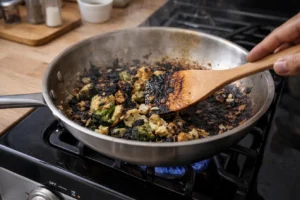
Cooking can be a joy, but it’s also time-consuming. Many people avoid homemade meals because preparing them takes too long, especially after a busy day. Long cooking times often make people rely on fast food or frozen meals, which can be less healthy. The good news is that it’s possible to cook faster without compromising flavour. In this article, we’ll explore why cooking often takes too long, practical strategies to speed things up, mistakes to avoid, and tips to make your meals taste great even when you’re short on time.
Why Cooking Often Takes Too Long
Understanding why meals take a long time to prepare helps you fix the problem. One common reason is lack of planning. Without prepping ingredients in advance, chopping vegetables or measuring spices while cooking can add 15–30 extra minutes.
Another factor is inefficient cooking methods. Some people stick to slow cooking techniques like simmering on low heat when faster alternatives could work just as well. While slow cooking can enhance flavours, it isn’t always necessary, especially for weeknight dinners. Using the wrong tools also contributes. For example, cooking rice in a regular pot instead of a rice cooker or steaming vegetables on the stove instead of in a microwave steamer can add unnecessary time.
Finally, multitasking in the kitchen without a plan often slows you down. Jumping between tasks like stirring, chopping, and cleaning at random intervals leads to wasted minutes and sometimes uneven cooking. One simple thing that helps is organising your kitchen workflow before you start, so you know what to do and in what order.
Practical Solutions to Cut Cooking Time
1. Prep Ingredients in Advance
Ingredient preparation is one of the easiest ways to save time. Washing, peeling, and chopping vegetables in advance can cut down your active cooking time significantly. You don’t have to prep for the entire week—just having a few vegetables ready can make a big difference.
For example, if you plan to stir-fry, having onions, bell peppers, and garlic already chopped means you can start cooking immediately without stopping to chop mid-recipe. Some people even store prepped vegetables in airtight containers in the fridge for up to three days, which makes weeknight dinners much faster.
2. Use Efficient Cooking Methods
Certain cooking techniques are faster without compromising taste. For instance:
- Sautéing instead of boiling: Quick sautéing vegetables with olive oil or butter keeps flavours intact while reducing cook time.
- Pressure cooking: A pressure cooker can reduce cooking time for beans, stews, or tougher meats by more than half.
- Microwave steaming: Microwaving vegetables in a covered bowl retains nutrients and flavour while taking just a few minutes.
In many cases, these methods produce meals that taste just as good as slow-cooked versions. For example, a quick vegetable stir-fry can be ready in 10 minutes, compared to the 30–40 minutes needed for roasting.
3. Cook in Batches
Batch cooking is another practical strategy. Preparing larger quantities at once can save time later in the week. For example, cooking a large pot of rice or quinoa can supply multiple meals. Roasting a tray of vegetables on Sunday can provide ready-to-go sides for several dinners.
A real-life scenario: someone I know prepares chicken breasts in bulk by baking them with herbs and storing them in the fridge. During the week, they simply reheat the chicken and pair it with quick-cooked vegetables, cutting meal prep time from 40 minutes to just 10.
4. Combine Ingredients Smartly
Instead of cooking each ingredient separately, look for ways to combine ingredients without losing flavour. One-pot dishes, like stir-fries, curries, or casseroles, save both cooking and cleanup time.
For example, sauté onions, garlic, and vegetables together in one pan, then add pre-cooked protein and sauces. Not only does this method reduce cooking time, but it also allows flavours to blend naturally, sometimes even better than when cooked separately.
5. Use Time-Saving Tools
Investing in a few kitchen tools can drastically reduce cooking time. Some helpful tools include:
- Sharp knives: They cut vegetables quickly and evenly.
- Food processors: Perfect for chopping, shredding, or pureeing in seconds.
- Rice cookers or Instant Pots: Automate cooking and reduce monitoring time.
- Microwave-safe steamers: Ideal for quick vegetable or fish steaming.
Even a simple tip like using pre-minced garlic or frozen vegetables can shave off precious minutes without affecting flavour.
6. Optimize Heat and Timing
Cooking at the right temperature matters. Overcrowding pans can slow cooking and lead to uneven results. For example, if you try to cook too many vegetables in a single pan, they’ll steam instead of sauté, taking longer to cook.
Also, preheating pans and ovens ensures food cooks efficiently from the start. One practical approach is to start heating the oven or pan while prepping ingredients, so no time is wasted waiting for them to reach the right temperature.
Common Mistakes People Make
Mistake 1: Not Prepping Ingredients
Skipping prep slows everything down. Chopping while cooking adds unnecessary pauses, increasing total cooking time and sometimes causing unevenly cooked meals.
Mistake 2: Cooking Everything Separately
Cooking protein, grains, and vegetables separately might preserve flavours in some recipes but often wastes time. One-pot or one-pan meals can be just as flavourful while saving time.
Mistake 3: Overcooking for Flavor
Some assume slow cooking always equals better taste. While certain dishes benefit from simmering, others taste equally good when cooked faster using sautéing or steaming.
Mistake 4: Ignoring Efficient Tools
Avoiding tools like pressure cookers, microwave steamers, or food processors means more manual work and longer cook times. Using the right tools doesn’t compromise taste and saves energy.
Conclusion: Faster Meals, Full Flavor
Reducing cooking time doesn’t mean sacrificing taste. By prepping ingredients in advance, choosing efficient cooking methods, cooking in batches, combining ingredients wisely, using helpful tools, and managing heat effectively, you can create flavourful meals in less time. In many cases, these strategies make weekday dinners less stressful and more enjoyable, proving that fast cooking can still be delicious.
FAQs
1. Can I really cook flavourful meals in under 30 minutes?
Yes! Using sautéing, stir-frying, or pressure cooking, you can make meals that are both quick and tasty. Prepping ingredients beforehand makes this even easier.
2. Is batch cooking worth the effort?
Absolutely. Cooking larger quantities once saves you time during busy weekdays. Meals can be stored in the fridge or freezer for several days without losing flavour.
3. Do shortcuts like frozen vegetables affect taste?
Not significantly. Frozen vegetables are often harvested at peak ripeness and flash-frozen, keeping flavour and nutrients intact. They can save 5–10 minutes per meal.
4. Will using a pressure cooker make all foods taste the same?
No. Pressure cookers retain flavours effectively and can even enhance them in stews, beans, and meats. The key is using appropriate seasoning and timing.
5. How can I avoid overcooking food when trying to cook faster?
Monitor heat carefully and follow recommended cooking times. Stir food frequently and use timers if necessary. Preheating pans or ovens ensures even cooking without overdoing it.