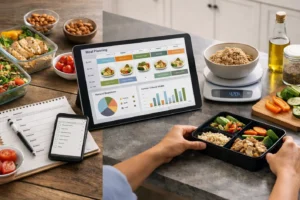
Eating well is often one of the first things to suffer when life gets busy. Between work, errands, family obligations, and personal commitments, it can feel nearly impossible to maintain a consistent eating schedule. The solution? Planning your meals based on your daily routine. By aligning your meals with your energy levels, activities, and available time, you can stay nourished, save time, and reduce stress.
In this guide, we’ll cover step-by-step strategies, tips, and ideas for creating a meal plan that fits your life perfectly. Whether you’re a student, working professional, parent, or someone with an unpredictable schedule, these strategies will help you eat well every day.
1. Understand Your Daily Schedule
The first step in planning meals around your routine is understanding your daily schedule. Knowing when you’re busiest, when you have breaks, and when you’re most active allows you to plan meals that fit seamlessly.
Tips for analyzing your routine:
- Track your daily activities for a few days to see patterns.
- Identify peak energy times and low-energy periods.
- Note the length of your workday, commute, and any fixed commitments.
Why this matters:
- You’ll know when you need quick meals versus when you can enjoy a sit-down meal.
- It helps you determine snack times and portion sizes based on activity level.
- Planning meals around your schedule prevents skipped meals and unhealthy snacking.
2. Set Meal Priorities
Once you understand your routine, decide which meals are most important for you to prioritize. Some people function best with a hearty breakfast, while others rely on a balanced lunch to power through the day.
Common approaches:
- Prioritize breakfast: Quick and nutrient-dense options like smoothies, overnight oats, or eggs.
- Prioritize lunch: Choose meals that provide sustained energy for the afternoon, such as grain bowls or salads with protein.
- Prioritize dinner: Focus on balanced meals that are satisfying but easy to prepare, especially after a long day.
Tips:
- Listen to your body: note when you feel hungry or low on energy.
- Make your priority meals nutrient-dense to cover your essential dietary needs.
- Use smaller snacks to bridge energy gaps rather than skipping meals.
3. Plan Meals Around Your Energy Levels
Energy levels fluctuate throughout the day. Planning meals according to when you need energy most helps you stay productive and alert.
Energy-based meal planning:
- Morning: Choose meals high in protein and fiber for sustained energy. Examples: Greek yogurt with fruit, eggs with toast, or overnight oats.
- Afternoon: Include complex carbs and moderate protein to avoid energy crashes. Examples: Brown rice with vegetables, quinoa salad with beans.
- Evening: Light and easy-to-digest meals work best, especially if you exercise after work. Examples: Grilled fish with roasted vegetables, or a veggie stir-fry with tofu.
Tips:
- Avoid heavy, greasy meals during work hours—they can cause sluggishness.
- Include snacks like nuts, fruit, or hummus with vegetables to maintain energy between meals.
- Adjust portion sizes based on activity levels—larger meals before workouts or demanding tasks, lighter meals during low-energy periods.
4. Use Time-Based Meal Strategies
Time constraints are a major factor in meal planning. By scheduling meals around the time you have available, you can reduce stress and improve consistency.
Quick meal strategies:
- 10-15 minute meals: Omelets, smoothies, wraps, or salads. Perfect for busy mornings or quick lunches.
- 30-minute meals: Stir-fries, sheet pan dinners, or pasta dishes. Ideal for evenings after work or school.
- Make-ahead meals: Casseroles, soups, or grain bowls prepared in advance for days when time is tight.
Tips:
- Batch cooking: Prepare proteins, grains, and vegetables in advance to mix and match throughout the week.
- Keep “emergency meals” in the freezer or pantry for unpredictable days.
- Use kitchen appliances like slow cookers, instant pots, or air fryers to save time.
5. Align Meals With Your Activities
Different activities require different nutrients. By aligning meals with your daily activities, you can optimize energy, recovery, and focus.
Examples:
- Work or study sessions: Meals high in protein and complex carbs help maintain concentration.
- Exercise or workouts: Eat meals or snacks rich in protein and carbohydrates before or after workouts for energy and recovery.
- Relaxation or low-activity periods: Lighter meals with more vegetables and fewer carbs prevent sluggishness.
Tips:
- Plan pre-workout snacks: banana with peanut butter or Greek yogurt with oats.
- Post-workout recovery meals: grilled chicken with quinoa and steamed vegetables.
- If you have long sedentary periods, choose meals that are lighter and nutrient-dense rather than heavy.
6. Consider Meal Frequency
Not everyone thrives on three square meals a day. Meal frequency should match your routine and hunger patterns.
Options:
- Three main meals: Traditional breakfast, lunch, and dinner. Good for predictable schedules.
- Three meals + snacks: Snacks between meals help sustain energy during busy periods.
- Small frequent meals: Five or six smaller meals throughout the day can keep metabolism steady.
Tips:
- Track your hunger cues for a few days to understand your ideal frequency.
- Prepare grab-and-go snacks like nuts, trail mix, or chopped vegetables.
- Avoid eating out of boredom—focus on intentional meal and snack timing.
7. Use a Simple Meal Planning Framework
A meal planning framework keeps things simple without being rigid.
The “Base + Protein + Veggies + Flavor” model:
- Base: Rice, pasta, quinoa, or bread.
- Protein: Chicken, fish, beans, tofu, eggs.
- Vegetables: Fresh, roasted, or steamed.
- Flavor: Herbs, spices, sauces, or dressings.
Tips:
- Rotate ingredients weekly to prevent boredom.
- Use frozen vegetables or pre-cooked proteins for quick meals.
- Adjust portion sizes based on your daily activity and hunger levels.
8. Plan for Breakfast, Lunch, and Dinner
Breakfast
- Quick, high-protein options like eggs, Greek yogurt, smoothies, or overnight oats.
- Prep overnight oats or smoothie packs to save morning time.
- Include fruits, nuts, or seeds for added nutrition.
Lunch
- Meals that are filling yet portable, such as salads with grains and protein, sandwiches, or wraps.
- Batch cook ingredients so you can assemble meals in 5–10 minutes.
- Include vegetables and fiber for sustained energy.
Dinner
- Easy, satisfying meals like sheet pan dinners, stir-fries, or one-pot meals.
- Keep it simple: protein + vegetables + grains or pasta.
- Use leftovers from lunch to minimize extra cooking.
9. Plan Snacks Strategically
Snacks are important to maintain energy between meals, especially on busy days.
Snack ideas:
- Fruit with nut butter
- Hummus with carrot or cucumber sticks
- Trail mix or nuts
- Cheese with whole-grain crackers
- Yogurt with berries
Tips:
- Pre-portion snacks for convenience.
- Choose snacks that complement your meals nutritionally.
- Avoid sugary snacks that cause energy crashes.
10. Factor in Grocery Shopping
A meal plan works best when you have the right ingredients on hand. Plan grocery trips according to your routine to minimize stress.
Tips:
- Make a list based on your planned meals and staples.
- Buy versatile ingredients that can be used in multiple dishes.
- Keep a few frozen or pantry-based backups for busy days.
Pro tip:
- Consider online grocery delivery or curbside pickup to save time on busy weeks.
11. Adjust Based on Weekly Variations
Life isn’t always predictable, so meal plans should be flexible. Adjust based on appointments, travel, or unexpected commitments.
Tips:
- Have a list of “go-to meals” that require minimal effort.
- Use batch-cooked ingredients to assemble meals in different ways.
- Keep some quick, emergency meals in your pantry or freezer.
12. Use Meal Planning Tools
Digital tools can simplify meal planning:
- Calendar apps: Schedule meals just like appointments.
- Meal planning apps: Track ingredients, recipes, and shopping lists.
- Spreadsheets: Simple and flexible for beginners.
Tips:
- Color-code meals by type (breakfast, lunch, dinner) or prep method.
- Track prep time to plan realistically for busy days.
- Use recurring meals for efficiency.
13. Evaluate and Refine
Meal planning is a skill that improves over time. Reflect on what works and what doesn’t.
Tips:
- Note which meals are quick, satisfying, and easy to prepare.
- Adjust portion sizes based on hunger levels.
- Swap ingredients that don’t get used or are forgotten.
Pro tip: Start small—plan for 2–3 days initially, then expand to a full week.
Conclusion
Planning meals based on your daily routine is not about perfection—it’s about efficiency, balance, and flexibility. By understanding your schedule, energy levels, and food preferences, you can create meals that nourish your body, save time, and reduce stress. Use base + protein + vegetables + flavor, leverage pantry and freezer staples, and batch-cook whenever possible. Include snacks strategically and remain flexible for unexpected events.
With consistent planning and reflection, you’ll find that eating well doesn’t have to disrupt your busy day—it can become an effortless, enjoyable part of your routine.By incorporating these strategies, you’ll save time, reduce food waste, and maintain energy throughout the day while still enjoying meals you love.
FAQs
1. How do I start meal planning if I’m new?
Start by tracking your daily schedule, identifying your busiest times, and planning 1–2 priority meals. Gradually expand as you get comfortable.
2. How can I make meal planning flexible?
Keep “go-to” meals, batch-cooked ingredients, and pantry staples available to swap in when your routine changes.
3. Can meal planning save money?
Yes. Planning meals helps avoid takeout, reduces food waste, and ensures you buy only what you need.
4. How many days should I plan ahead?
Start with 2–3 days, then work up to a week. Longer planning works if you have freezer or pantry backups.
5. Can I plan meals for different energy needs during the day?
Absolutely. Align meals with your activity levels and energy requirements for sustained productivity and focus.