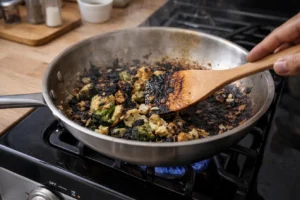
Cooking a full meal with several dishes can feel overwhelming. Many people have experienced the classic situation where multiple pots are boiling, something is burning in the oven, and guests are about to arrive.
Movies and television often depict this type of kitchen chaos, but real-life cooking need not involve it.
When I started preparing multi-dish meals at home, I often felt rushed and stressed. I tried to follow several recipes at once and constantly worried about forgetting a step or overcooking something.
The turning point came when I realized that successful cooking is not just about recipes—it is also about planning and organization.
Professional kitchens rely heavily on structure and preparation to keep everything running smoothly. By applying a few simple organizational systems at home, you can prepare multiple dishes calmly and efficiently.
This guide explains practical methods to help you stay organized, keep your kitchen stress-free, and serve meals that are hot and well-timed.
Create a Simple “Menu Roadmap” Before You Begin
The first rule of cooking several dishes at once is simple: do not rely on memory.
When multiple recipes are involved, it becomes simple to forget details such as cooking times, resting periods, or ingredient steps.
What’s a Menu Roadmap?
A menu roadmap is a short written plan that outlines everything you will cook during the meal.
Before you start preparing ingredients, write down each dish and its basic timing information.
A simple roadmap can include three columns:
| Section | What to Include | Why It Helps |
|---|---|---|
| Dish Name | List every dish in the meal | Defines the full menu |
| Active Prep Time | Time spent chopping, mixing, or stirring | Helps schedule work |
| Passive Cooking Time | Oven roasting, simmering, or resting | Shows when you can start other dishes |
For example:
- Herb-roasted chicken
- Roasted vegetables
- Grain salad
- Simple sauce or gravy
This written roadmap serves as a visual guide to keep you focused while cooking.
Use Advanced Mise en Place for Multiple Recipes
The concept of mise en place, which means “everything in its place,” is widely used in professional kitchens.
However, when cooking several dishes at once, basic ingredient preparation is not enough. You also need clear ingredient organization.
The Common Mistake
Many home cooks chop all ingredients at once and place them in a single area.
When you begin cooking, it becomes difficult to remember which ingredient belongs to which recipe.
The “Ingredient Zone” Method
Instead of placing everything together, divide your preparation area into simple zones.
Zone 1: Ready Ingredients
- Ingredients already measured or chopped
- Oils, spices, and aromatics for each dish
- Small bowls or ramekins help keep items separate
Zone 2: Active Prep Area
- A clean cutting board for chopping ingredients
- Used only for items currently being prepared
Zone 3: Waiting Ingredients
- Prepared ingredients that will not be used immediately
- Stored neatly to avoid confusion
This system prevents mistakes and allows you to move smoothly between recipes.
Build a Master Cooking Timeline
Your menu roadmap lists what needs to be cooked, but your timeline determines when each step should happen.
Planning cooking times in advance is one of the most effective ways to prevent kitchen stress.
Plan Backward from Serving Time
Start with the time you plan to serve the meal and work backward.
For instance, if you plan to serve dinner at 7:00 PM, your timeline could look like this:
- 7:00 PM: Serve the meal
- 6:45 PM: Final sauce preparation and plating
- 6:30 PM: Main dish finishes cooking and begins resting
- 6:00 PM: Main dish enters the oven
- 5:30 PM: Side dishes begin cooking
- 5:00 PM: Ingredient preparation begins
Why This Works
Backward planning ensures that:
- All dishes finish at the same time
- Food stays hot and fresh
- You avoid rushing at the last minute
Even a simple timeline written on paper can greatly improve organization.
Balance Oven, Stove, and No-Cook Dishes
When planning a menu, it is important to consider how each dish will be cooked.
If every dish requires the oven or the same burner, cooking becomes difficult.
Spread Out Your Cooking Methods
A balanced menu might include:
- One oven-roasted dish
- One stovetop sautéed dish
- One cold or room-temperature side dish
- One simple sauce or dressing
This approach prevents equipment bottlenecks and makes cooking more manageable by allowing cooks to focus on each dish individually without the stress of overlapping cooking times.
Use Multiple Timers for Better Control
Timing mistakes are one of the biggest challenges when cooking several dishes at once.
Using a single timer can quickly become confusing.
A Better Approach
Set separate timers for each dish.
For example:
- Roast timer
- Sauce timer
- Grain timer
Most phones and digital assistants allow multiple timers to run simultaneously.
Benefits of Multiple Timers
Using separate timers helps you:
- Avoid overcooking
- Keep track of each dish individually
- Reduce mental stress while cooking
Small tools like timers can make a significant difference in kitchen organization by helping manage cooking times for each dish, ensuring nothing is overlooked or overcooked.
Keep Your Workspace Clean While Cooking
A cluttered workspace makes cooking more stressful and increases the chance of mistakes.
Instead of letting dishes pile up, try cleaning as you go.
The “Reset Rule”
Whenever a task is completed:
- Wipe down the cutting board
- Rinse used bowls or utensils
- Place items in the dishwasher or sink
This small reset usually takes less than two minutes but greatly improves focus.
Why This Helps
A clean counter allows you to:
- Work more efficiently
- Avoid searching for tools
- Maintain a calm cooking environment
Professional kitchens rely on this habit to maintain organization during busy service.
Prepare a Flexible Backup Plan
Even with excellent planning, unexpected delays can happen.
A dish may take longer to cook, or a sauce may need additional time.
Plan for One Flexible Dish
Including at least one dish that can be served cold or at room temperature helps reduce stress.
Examples include:
- Grain salads
- Fresh vegetable salads
- Simple yogurt-based sauces
These dishes remain enjoyable even if other foods take longer to finish.
Stay Calm and Adjust
Cooking should remain enjoyable. If one dish takes longer than expected, it is perfectly acceptable to adjust the serving order or allow extra time.
Maintaining a calm mindset often prevents mistakes and improves results.
Why Organization Improves Cooking Results
Cooking multiple dishes successfully is not about speed—it is about control and preparation.
Organized cooking allows you to:
- Focus on flavor and technique
- Reduce stress in the kitchen
- Serve meals that are fresh and well timed
Many professional chefs rely on structured planning rather than rushing through tasks.
With practice, these habits become automatic and make cooking much more enjoyable.
Final Thoughts
Preparing several dishes at once may seem intimidating at first, but a clear organizational system makes the process much easier.
Simple techniques such as
- Creating a menu roadmap
- Preparing ingredients in organized zones
- Planning a cooking timeline
- Using multiple timers
- Keeping the workspace clean
can transform the way you cook.
Instead of rushing between tasks, you will move through the process with confidence and control.
Cooking becomes less about managing chaos and more about enjoying the creative process of preparing a great meal.
Frequently Asked Questions
How can I avoid feeling overwhelmed when cooking multiple dishes?
Start by writing a simple cooking plan before you begin. A roadmap and timeline help you stay organized and reduce last-minute stress.
What is the most important step in preparing a multi-dish meal?
Ingredient preparation, often called mise en place, is essential. Having everything ready before cooking begins makes the process much smoother.
Should I cook all dishes at the same temperature?
Not necessarily. A balanced menu often includes dishes prepared using different methods such as oven roasting, stovetop cooking, or cold preparation.
Why is backward planning helpful in cooking?
Working backward from serving time helps ensure that all dishes finish at the correct moment and remain hot when served.
How do professional kitchens stay organized during busy service?
Professional cooks rely on preparation systems, clear workstations, timers, and constant cleaning to maintain efficiency during cooking.