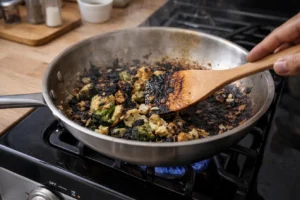
Many people imagine cooking as a relaxing activity, but in reality, it often becomes stressful. A common situation is trying to chop vegetables while something else is already cooking in the pan.
Suddenly, the garlic begins to burn, the onions are only half chopped, and the kitchen becomes chaotic.
After years of home cooking, I discovered that the real secret to calm, efficient cooking is not expensive tools or complicated recipes. Instead, it serves as a clear preparation system before cooking begins.
Professional kitchens rely heavily on structured preparation. Chefs rarely start cooking until every ingredient and tool is ready.
By following a simple preparation workflow at home, you can transform cooking from a rushed activity into a smooth and enjoyable process.
This guide explains the practical system I use to prepare ingredients before cooking so the entire meal comes together easily.
Start With a “Zero-Hour” Ingredient Check
Before picking up a knife or turning on the stove, take a moment to confirm that everything you need is available.
One of the most frustrating experiences in cooking is realizing halfway through a recipe that an important ingredient is missing.
How to Perform a Quick Ingredient Check
A simple method is to gather all the ingredients listed in the recipe and place them on the counter.
During this step, check the following:
- Whether all ingredients are available
- If any items need thawing or warming to room temperature
- Whether substitutes are needed
Why This Step Is Important
Completing this check prevents:
- Interruptions during cooking
- Last-minute searches for missing ingredients
- Stress caused by incomplete preparation
Even a one-minute ingredient review can make cooking far smoother.
Organize Ingredient Preparation in logical groups.
Many beginners prepare ingredients haphazardly, chopping one item at a time as needed.
This “scatter preparation” often leads to messy counters and inefficient cooking.
A better approach is grouped preparation, where ingredients are prepared in the order they will be used.
A Simple Preparation Order
A helpful preparation sequence might look like this:
Aromatics first
- Onions
- Garlic
- Ginger
These ingredients are commonly added early in recipes, so preparing them first saves time.
Firm vegetables second
- Carrots
- Potatoes
- Bell peppers
These usually require longer cooking times.
Juicy ingredients last
- Tomatoes
- Citrus fruits
- Soft herbs
Preparing these last prevents excess moisture on the cutting board.
Benefits of Grouped Preparation
Organizing ingredients this way helps you:
- Work more efficiently
- Maintain a clean cutting surface
- Follow recipes more easily
Use a Dedicated Scrap Bowl
A cluttered workspace quickly slows down cooking.
Peels, stems, and scraps often pile up on the cutting board, reducing available space.
A simple solution is the scrap bowl method.
How the Scrap Bowl Method Works
Place a medium-sized bowl next to your cutting board before you start preparing ingredients.
Whenever you remove peels, stems, or unwanted pieces, place them directly into the bowl.
Advantages of This Method
The scrap bowl offers several benefits:
- Keeps the cutting area clear
- Reduces trips to the trash bin
- Makes cleanup much faster
Once preparation is finished, you empty the bowl in a single step.
Prepare Your Kitchen Tools Before Cooking
Ingredient preparation is only one part of the process. Preparing your tools also improves efficiency.
Taking a few moments to set up your tools can prevent delays later, such as ensuring that all necessary utensils are clean and within reach, which can streamline the cooking process.
Essential Tool Preparation Steps
Before starting ingredient prep, consider doing the following:
- Hone your chef’s knife for better cutting performance
- Place a damp towel under the cutting board to prevent slipping
- Keep a clean kitchen towel nearby
- Ensure the trash bin is easily accessible
Why Tool Preparation Matters
Sharp knives and organized tools allow you to:
- Cut ingredients faster
- Work more safely
- Maintain better control during preparation
Professional cooks always prepare their tools before beginning food preparation.
Pre-Measure Ingredients for Faster Cooking
Another common mistake in home kitchens is measuring ingredients while something is already cooking.
When your hands are busy stirring or sautéing, searching for measuring spoons can become frustrating.
The Simple Solution: Pre-Measuring
Before cooking begins, measure the ingredients to be combined and place them in small containers.
For example:
- Combine soy sauce, vinegar, and honey in one cup
- Mix spices in a small bowl
- Measure cooking liquids in advance
Benefits of Pre-Measuring
Pre-measured ingredients allow you to:
- Add ingredients quickly during cooking
- Avoid measurement mistakes
- Stay focused on the cooking process
This technique is widely used in professional kitchens.
Follow a “Clean-As-You-Prep” Habit
Kitchen mess often builds up during preparation rather than cooking.
A simple cleaning routine during prep can keep your kitchen organized.
The One-Minute Reset
After finishing ingredient preparation, take about one minute to reset your workspace.
This can include:
- Wiping down the counter
- Returning unused ingredients to the refrigerator
- Organizing prepared ingredients into small groups
The Sink Strategy
Before starting prep, fill the sink with warm, soapy water.
As soon as you finish using tools such as peelers or graters, place them in the sink.
This prevents food from drying and sticking to the pans.
Prepare Your Digital Cooking Setup
Many people now follow recipes using smartphones or tablets.
While convenient, these devices can easily become messy in the kitchen due to spills, splatters, and food residue.
A Simple Protection Trick
Place your phone or tablet inside a clear plastic storage bag.
This allows you to:
- Read the recipe clearly
- Use the touchscreen
- Protect the device from oil or flour
Additional Digital Preparation Tips
Before cooking, you may also want to:
- Increase screen brightness for better visibility
- Disable auto-lock or sleep mode
- Position the device where it can be seen easily
Preparing your digital workspace can make recipe following much easier.
A Simple Ingredient Preparation Checklist
To make preparation easier, you can follow a basic checklist before you begin cooking.
| Preparation Phase | Task | Purpose |
|---|---|---|
| Ingredient Check | Gather all ingredients | Prevent missing items |
| Grouped Prep | Chop ingredients in order | Improve efficiency |
| Scrap Bowl Setup | Place the bowl beside the cutting board | Maintain a clean workspace |
| Tool Preparation | Sharpen knives and organize tools | Improve safety |
| Ingredient Measuring | Pre-measure spices and liquids | Speed up cooking |
| Workspace Reset | Clean counters and tools | Stay organized |
Following this checklist creates a smooth transition from preparation to cooking.
Why Proper Preparation Improves Cooking
Many people assume cooking skill comes only from recipes or techniques.
In reality, much of cooking success comes from preparation.
When ingredients and tools are ready, cooking becomes a straightforward process.
Good preparation allows you to:
- Focus on flavor and timing
- Avoid mistakes during cooking
- Enjoy the cooking experience
Instead of rushing between tasks, you move calmly from one step to the next.
Final Thoughts
Cooking does not have to be chaotic or stressful.
By building a consistent preparation routine, you can transform the way meals come together in your kitchen.
Simple habits such as
- Checking ingredients in advance
- Preparing ingredients in logical groups
- Using a scrap bowl
- Pre-measuring spices and liquids
- Cleaning as you prepare
can dramatically improve the cooking experience.
Over time, these habits become automatic, allowing you to cook with greater confidence and efficiency.
Frequently Asked Questions
Why is ingredient preparation important before cooking?
Preparing ingredients in advance allows you to focus on cooking without interruptions. It also reduces mistakes and keeps the kitchen organized.
What is the best way to keep the cutting board clean during preparation?
Using a scrap bowl for peels and trimmings helps keep the cutting board clear and easier to use.
Should spices be measured before cooking?
Yes. Pre-measuring spices and liquids makes it easier to add ingredients quickly while cooking.
How do professional kitchens stay organized during preparation?
Professional cooks rely on structured preparation methods such as grouping ingredients, preparing tools in advance, and cleaning continuously.
What tools are most important for efficient preparation?
A sharp chef’s knife, a stable cutting board, measuring tools, and an organized workspace are among the most helpful preparation tools.